
Defining a UF/DF step is not only about membrane area or pump settings. It is about deciding how the process will concentrate product, exchange buffer and reduce in-process volume without introducing unnecessary loss, complexity or instability into the downstream route.
In real projects, the strongest UF/DF definition usually starts with the process objective. If the team is clear about what must be concentrated, what must be exchanged and what must be removed from the stream, the platform decision becomes much more coherent from development through scale-up.
Why UF/DF should be defined around the process objective
UF and DF are often treated like a single downstream block, but they solve different parts of the same problem. Ultrafiltration concentrates the product by reducing volume, while diafiltration replaces the existing buffer and helps remove low molecular weight species that should not remain in the stream.

What must be clear before designing a UF/DF step
Define the product concentration target clearly so the filtration step reduces volume without losing the molecule of interest.
If the concentration goal is unclear, the step can become inefficient or disconnected from the downstream sequence that follows.
Define whether the step must replace the current buffer, remove salts, solvents or process chemicals, or prepare the stream for a final formulation condition.
DF only makes sense when the team is clear about what should leave the system and what the final buffer environment needs to be.
Clarify whether UF/DF happens after chromatography, before formulation or at another point where volume, concentration and buffer composition are constraining the workflow.
The best UF/DF definition is always linked to what happens before and after, not treated as an isolated task.
Consider viscosity, aggregation tendency and recovery expectations early, because they influence how robust the UF/DF step will be in practice.
As concentration rises, the step can become harder to manage if product behaviour is not taken into account from the beginning.

How to think about UF and DF inside one downstream step
Use ultrafiltration to reduce volume and increase concentration
The UF part of the step should define how much volume must be removed and how concentrated the retained stream needs to become before the next stage of the process.
Use diafiltration to move the product into the right buffer environment
The DF part should define what needs to be cleared from the stream and what final buffer condition the product must reach for the next operation or final use case.
Questions process teams should answer before locking the UF/DF step
What final concentration does the stream need to reach?
The concentration target should be linked to the real next step, not set in isolation from the rest of the downstream process.
What buffer condition is required after the step?
The DF objective should reflect the final process need, whether that means exchange, impurity removal or formulation preparation.
How will the product behave as concentration increases?
Product recovery, viscosity and aggregation risk should be considered early because they can redefine what a practical UF/DF step looks like.
Does the chosen platform still make sense at the next scale?
A strong UF/DF definition should not only work today, but also remain coherent as the process moves into pilot or production execution.
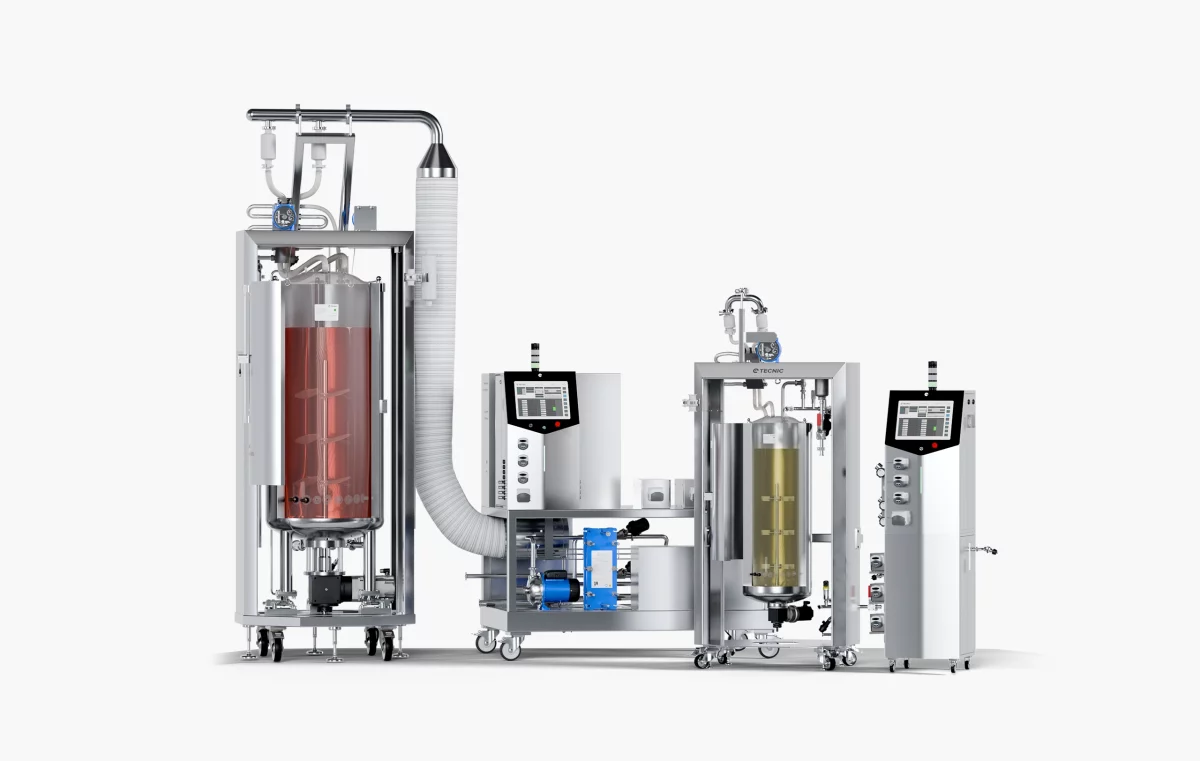
Relevant TECNIC TFF platforms
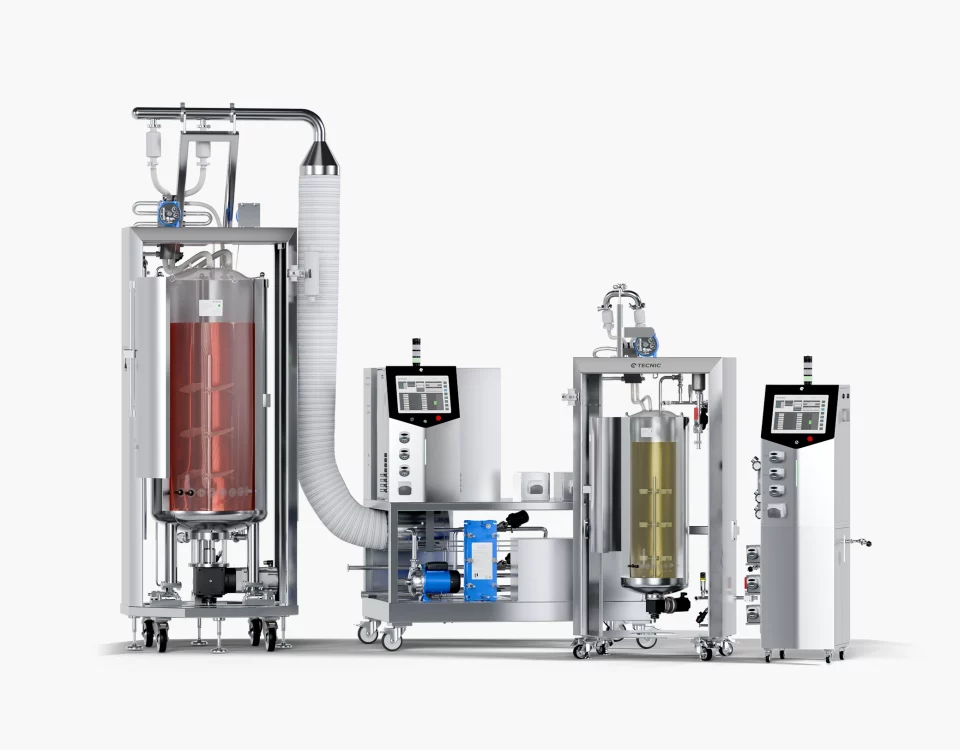
Once the UF/DF objective is clear, the next step is matching the process with the right TFF platform across laboratory, pilot or production needs.
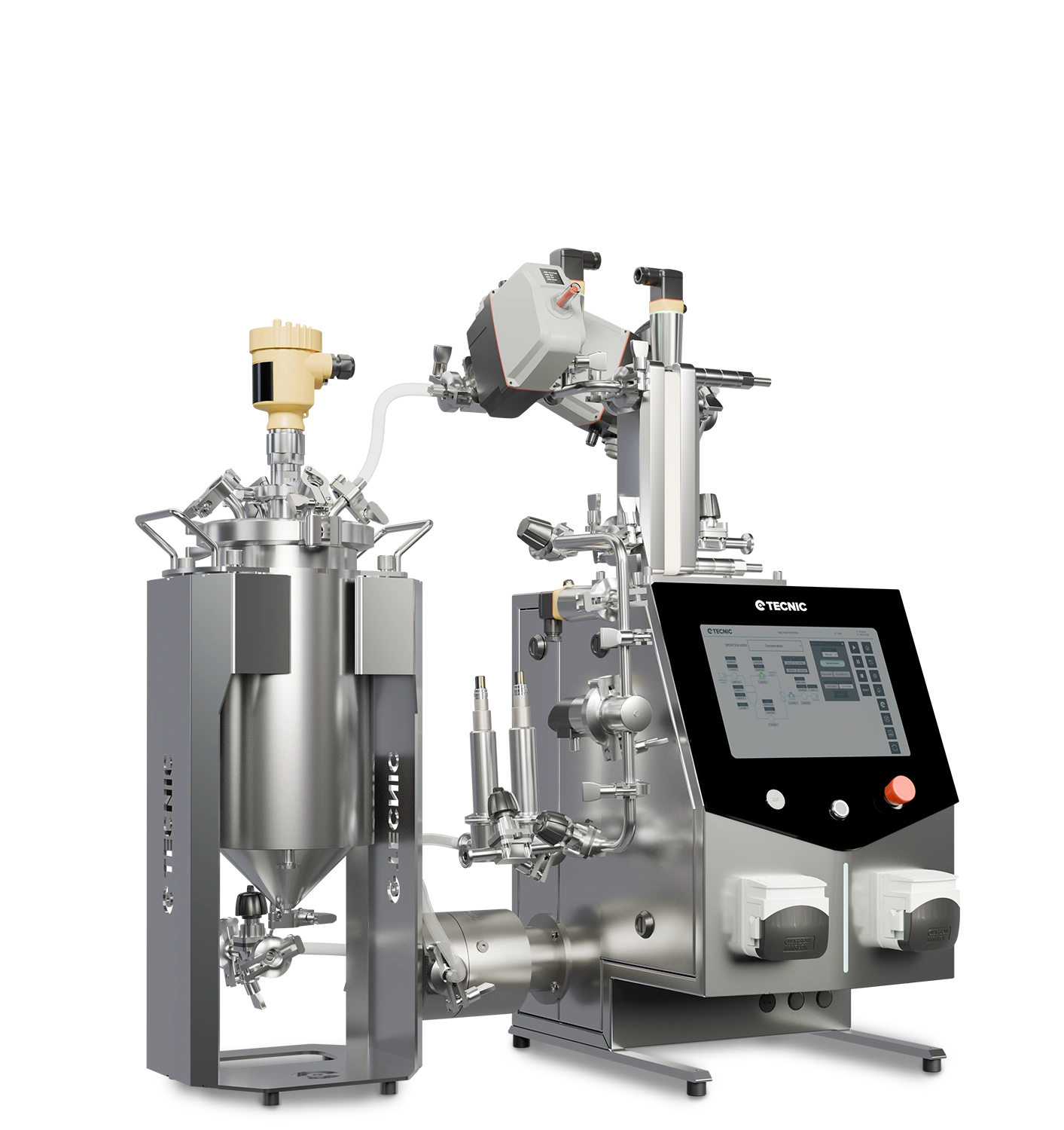
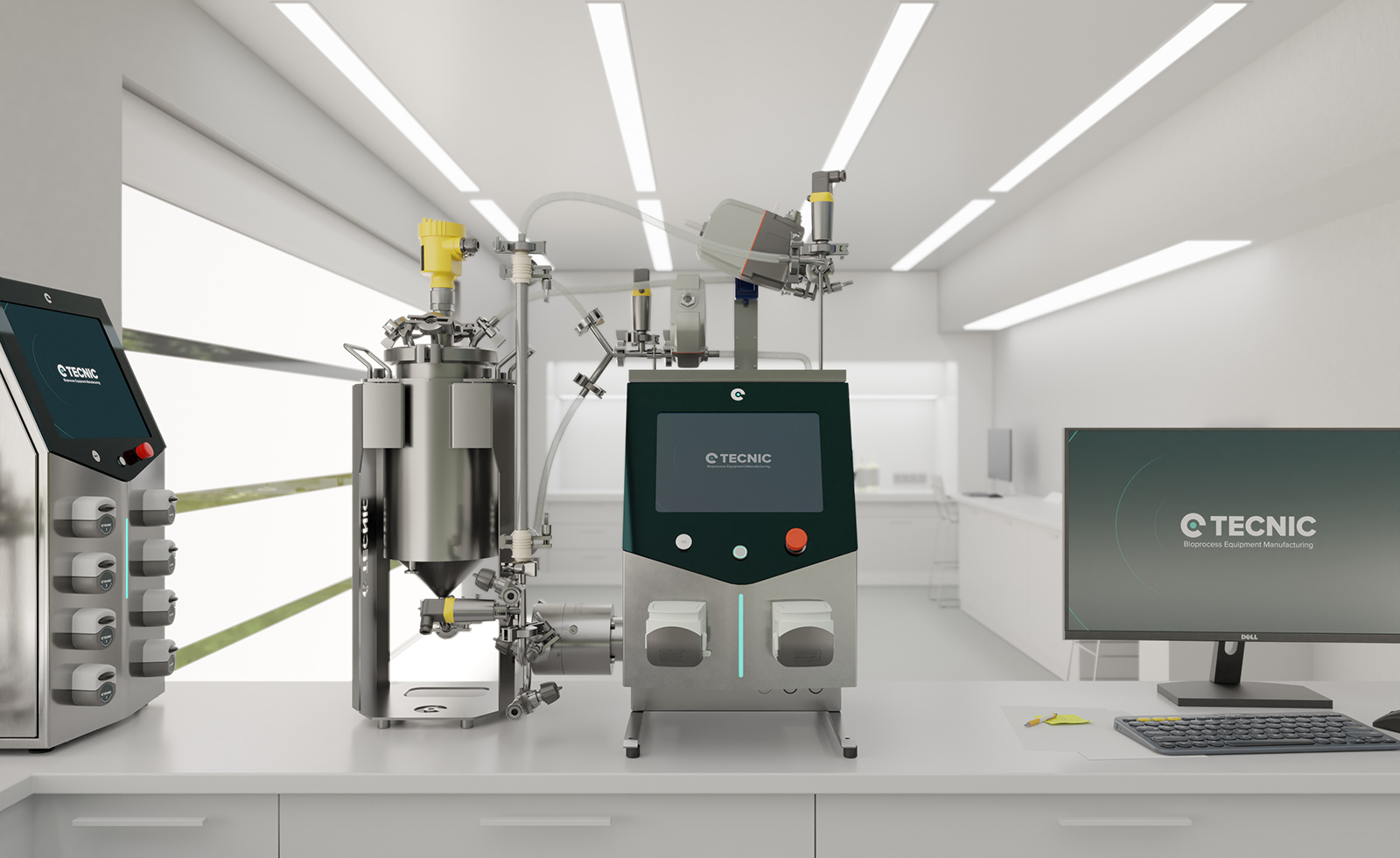
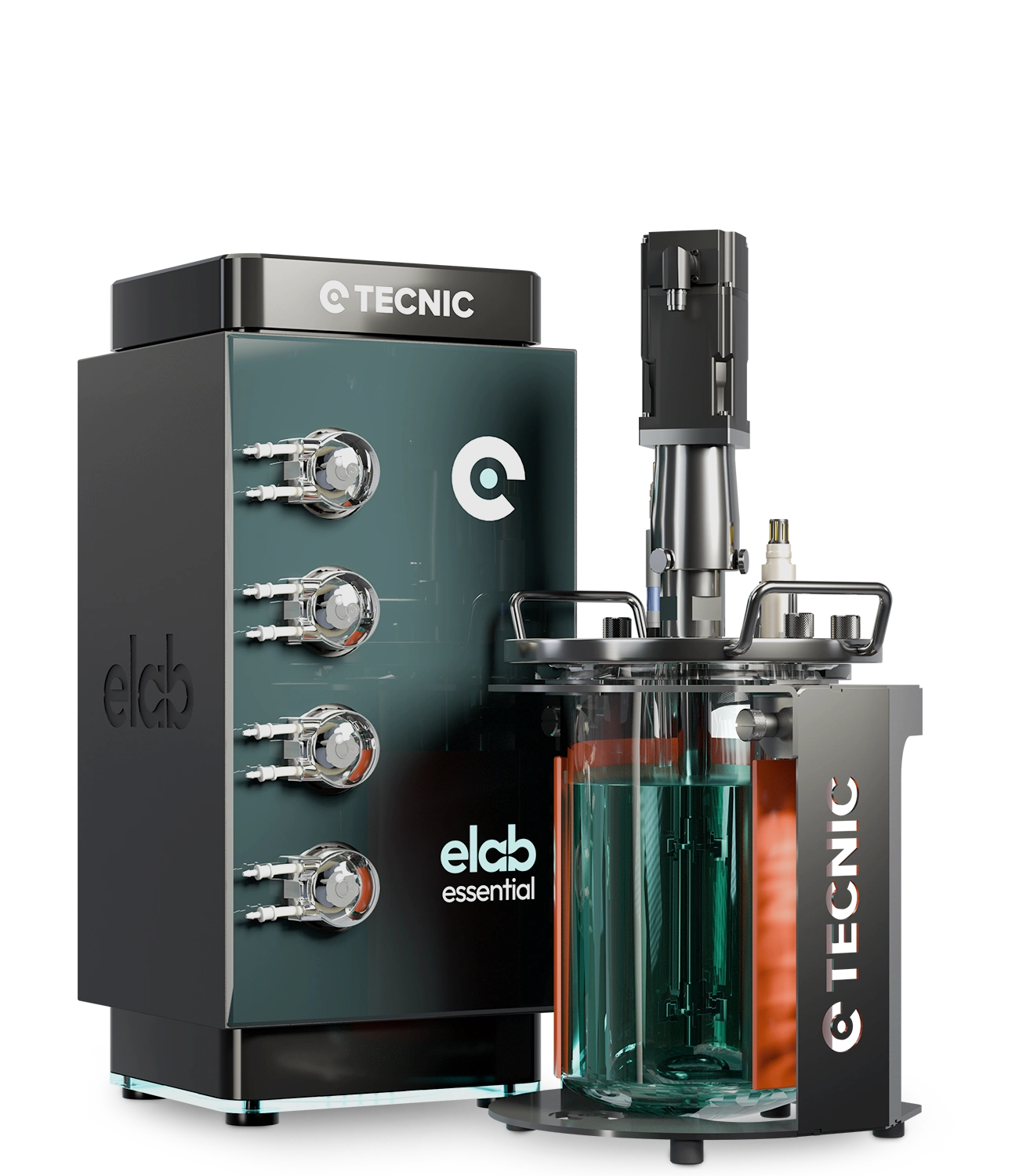
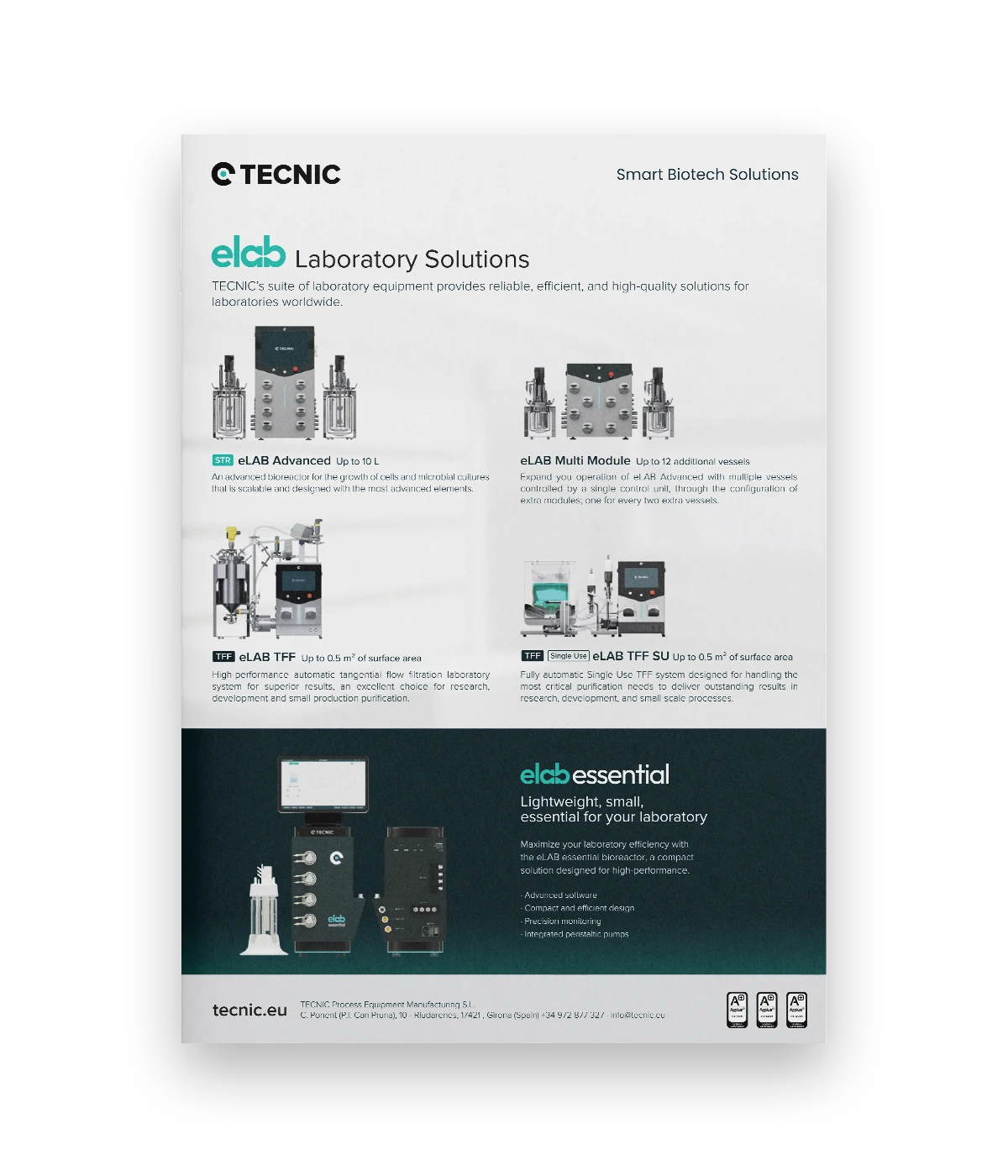
eLAB TFF
Laboratory multi-use TFF system with up to 0.7 m² for controlled UF/DF development workflows.
eLab TFF system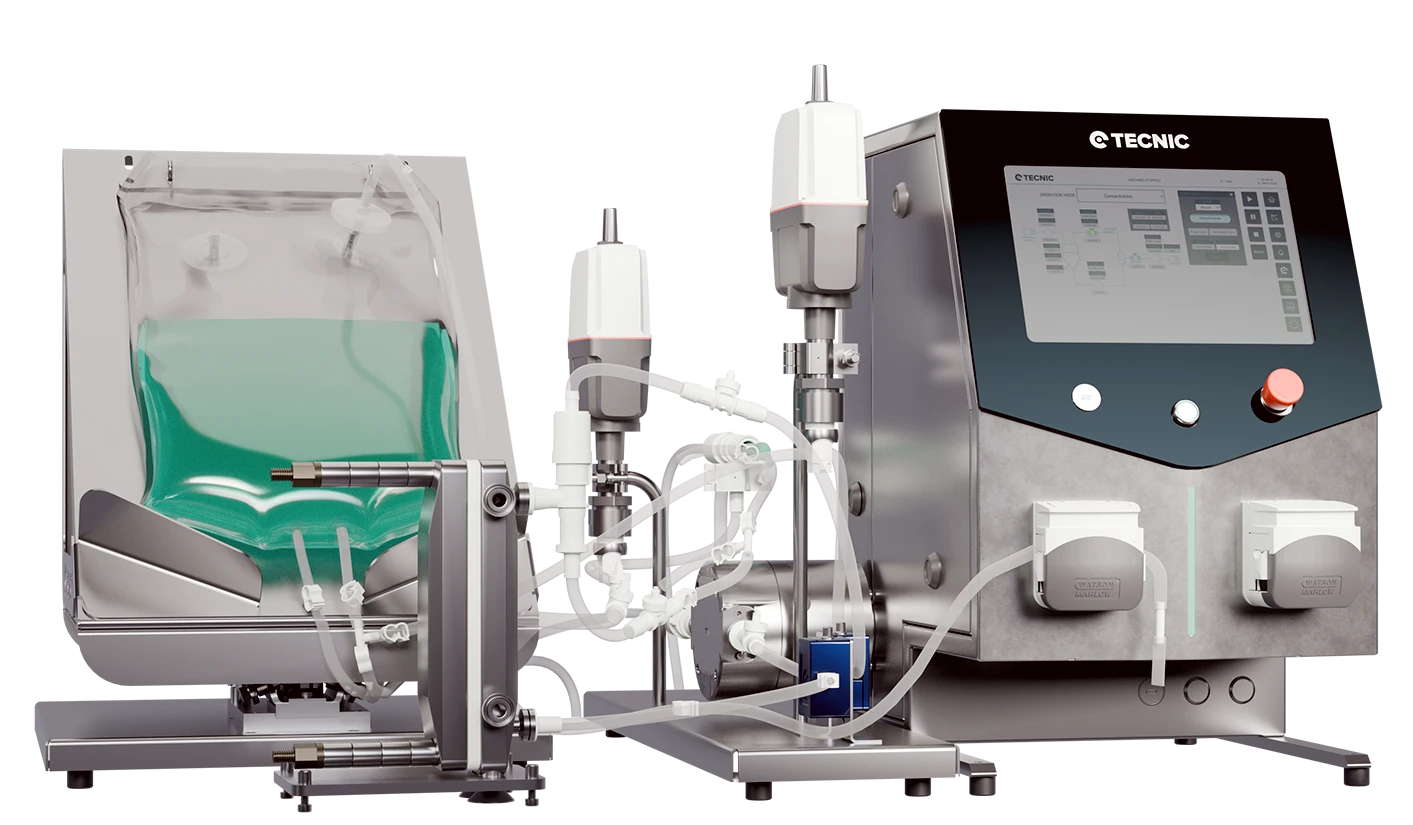
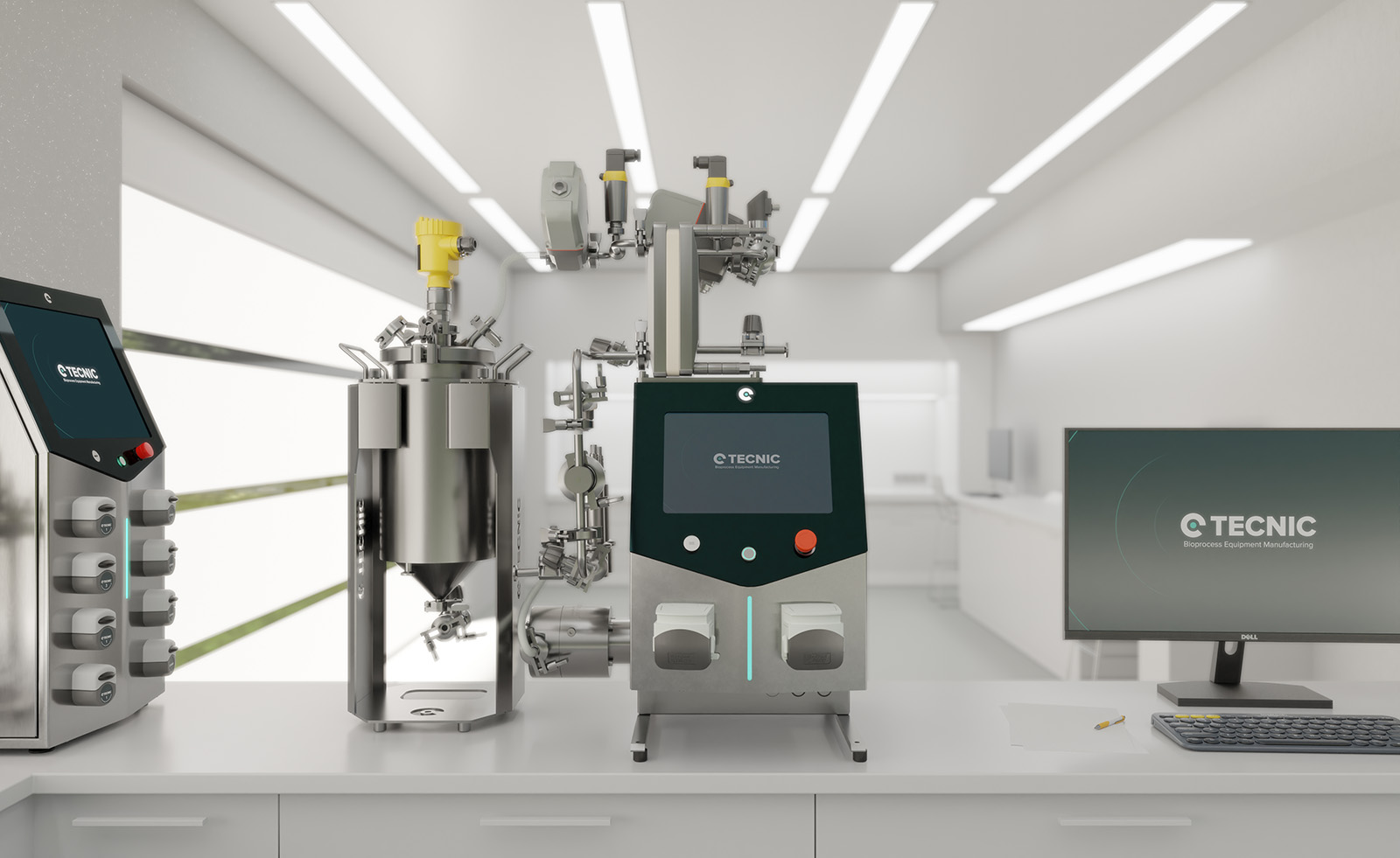
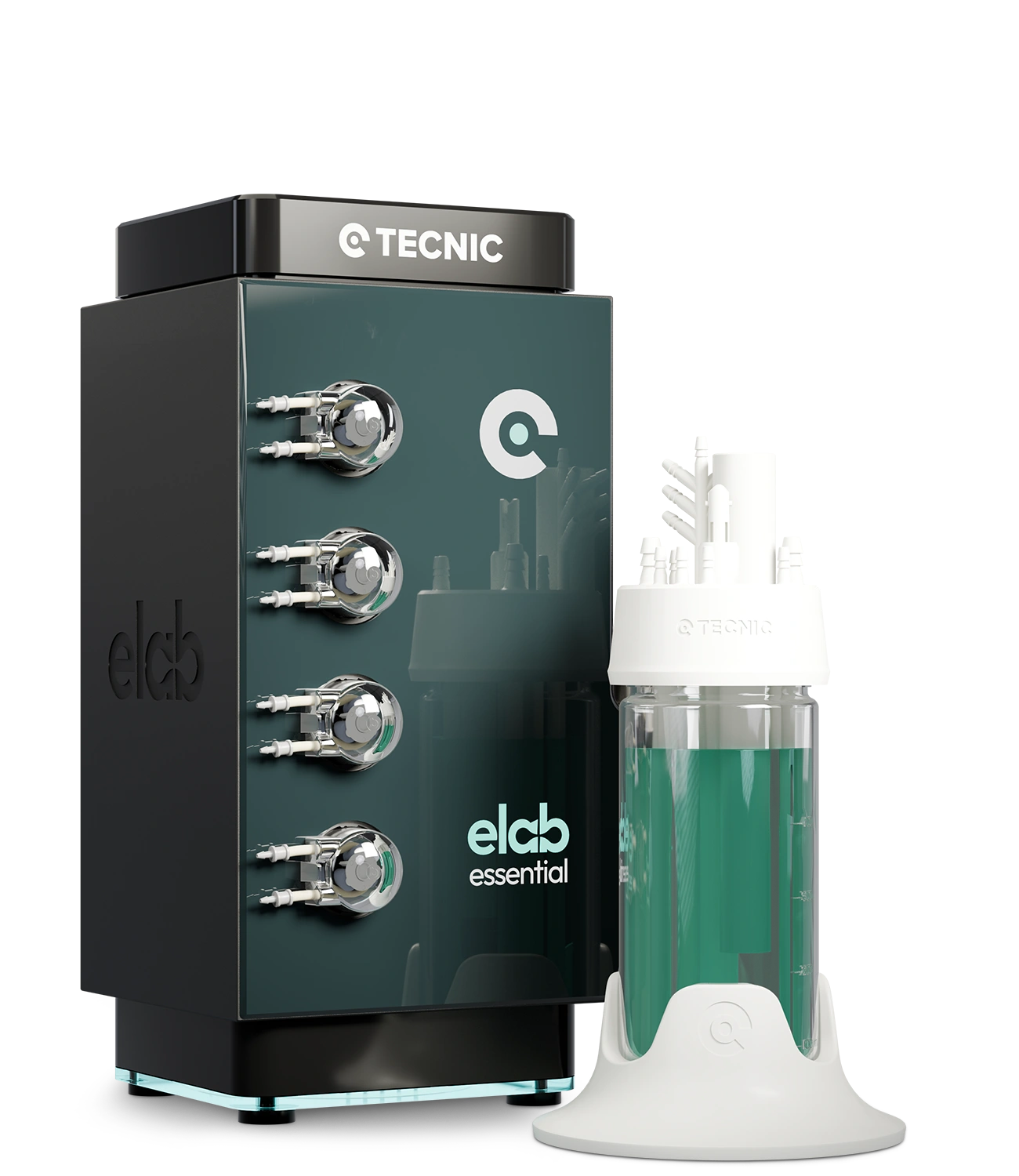
eLAB TFF SU
Single-use laboratory TFF system with up to 0.7 m² for flexible early-stage filtration workflows.
eLab TFF SU system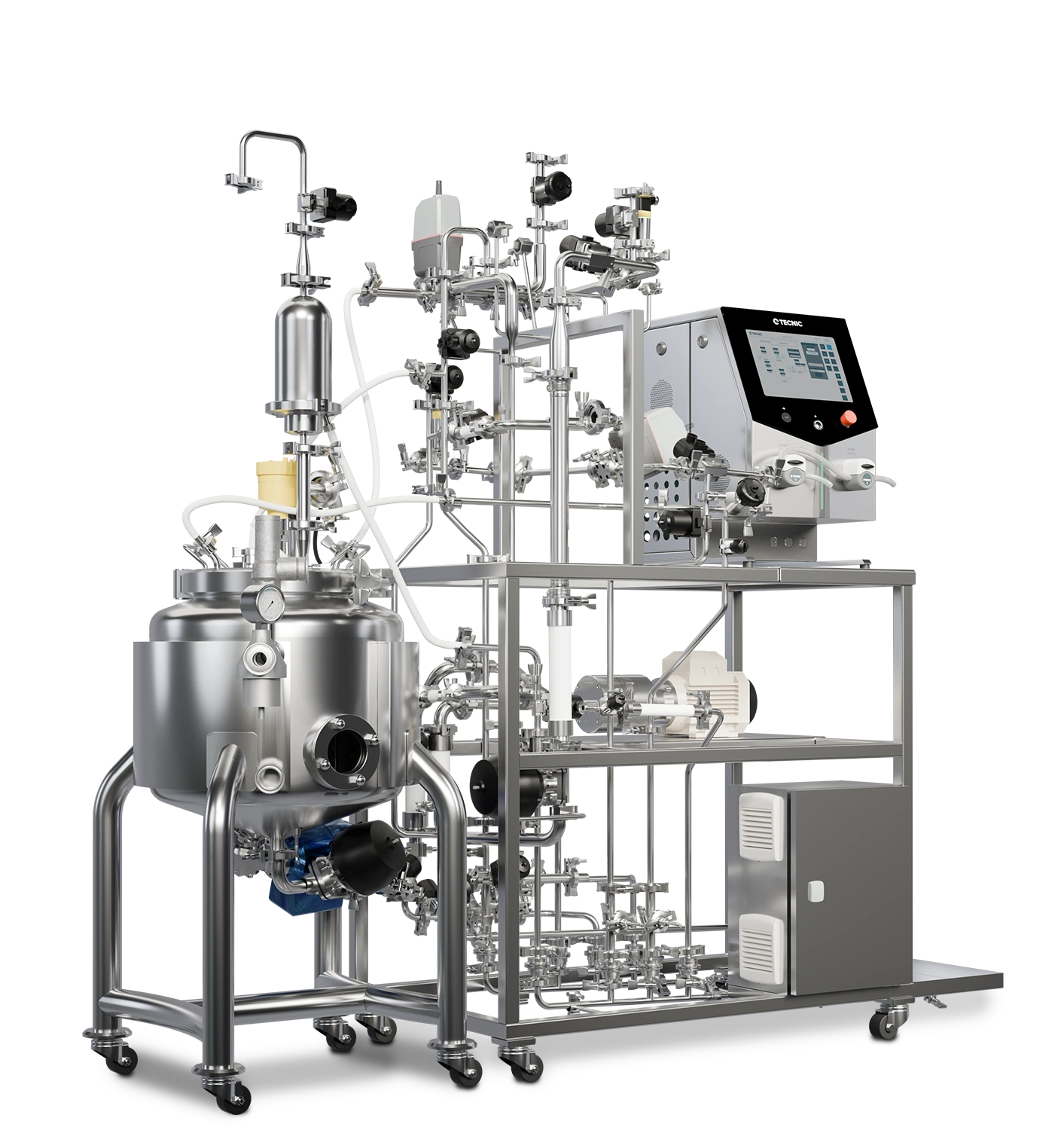
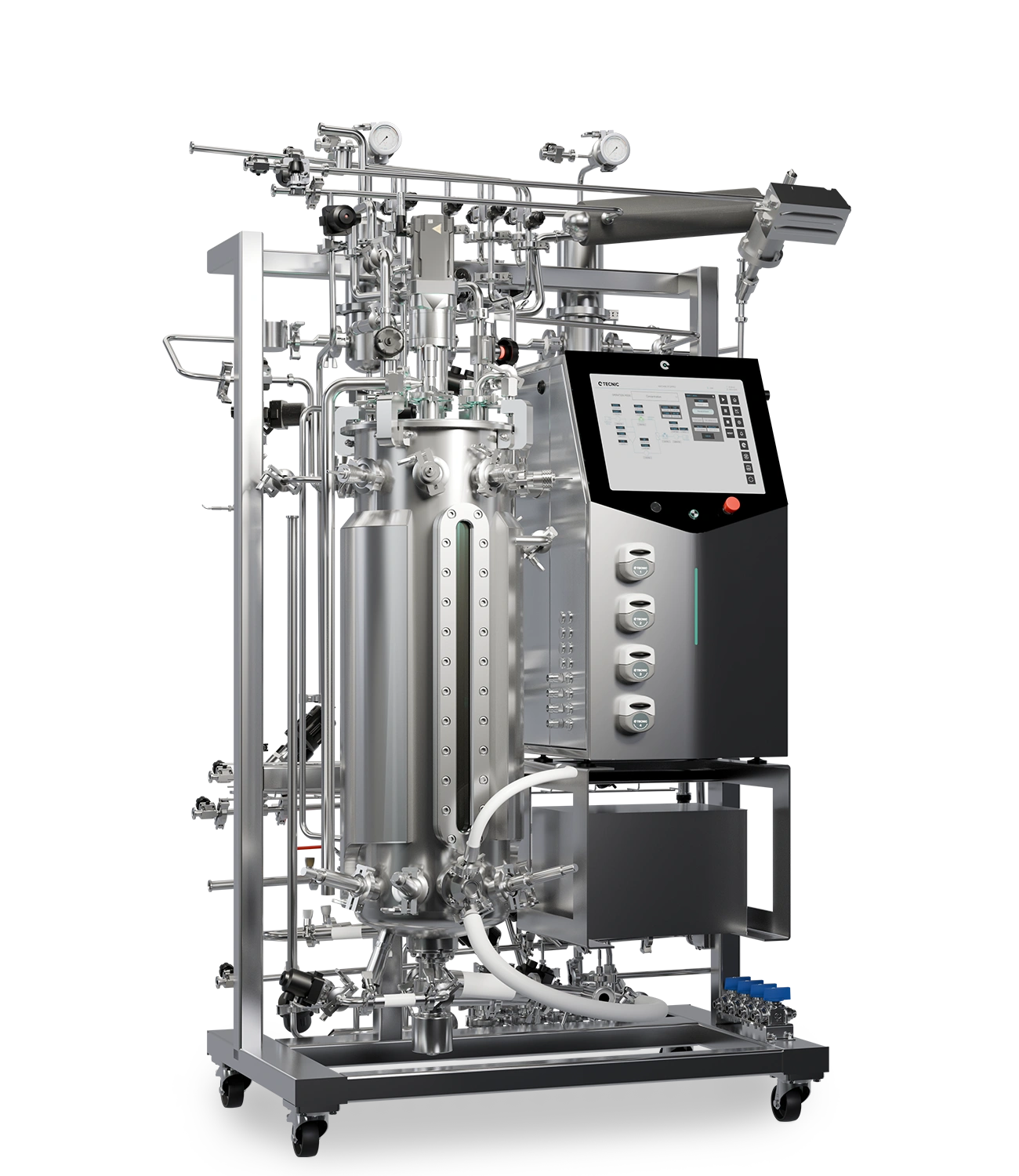
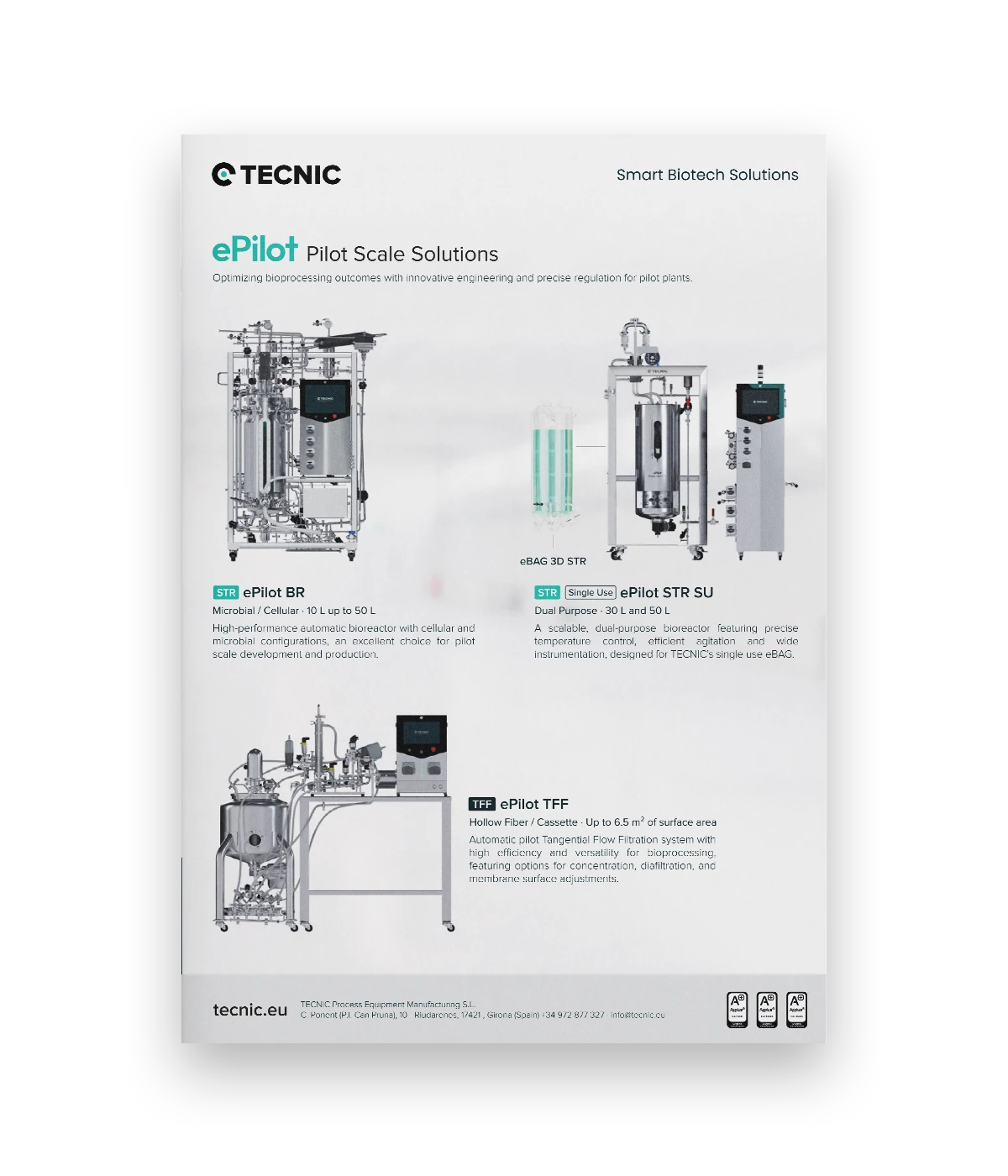
ePILOT TFF
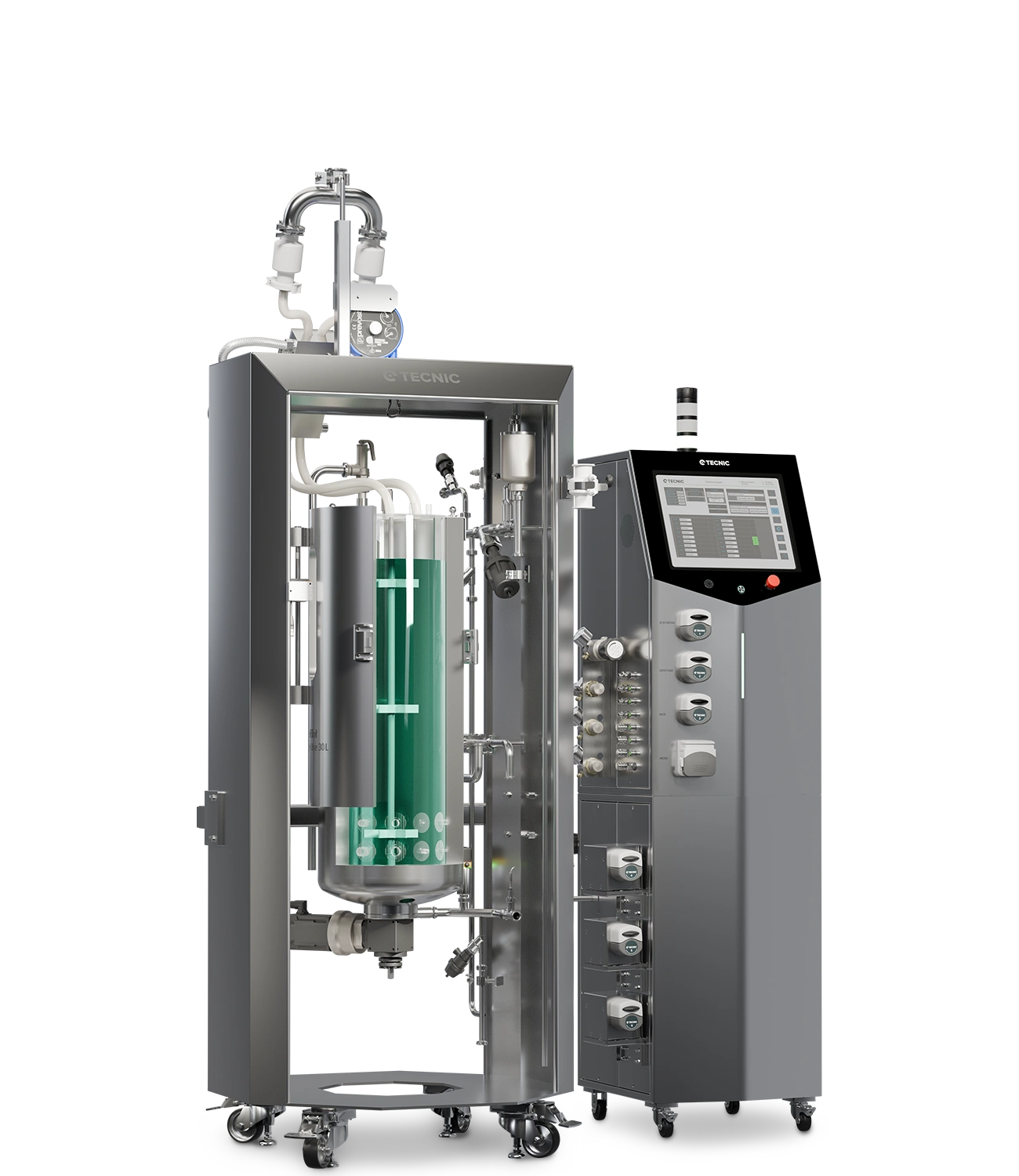
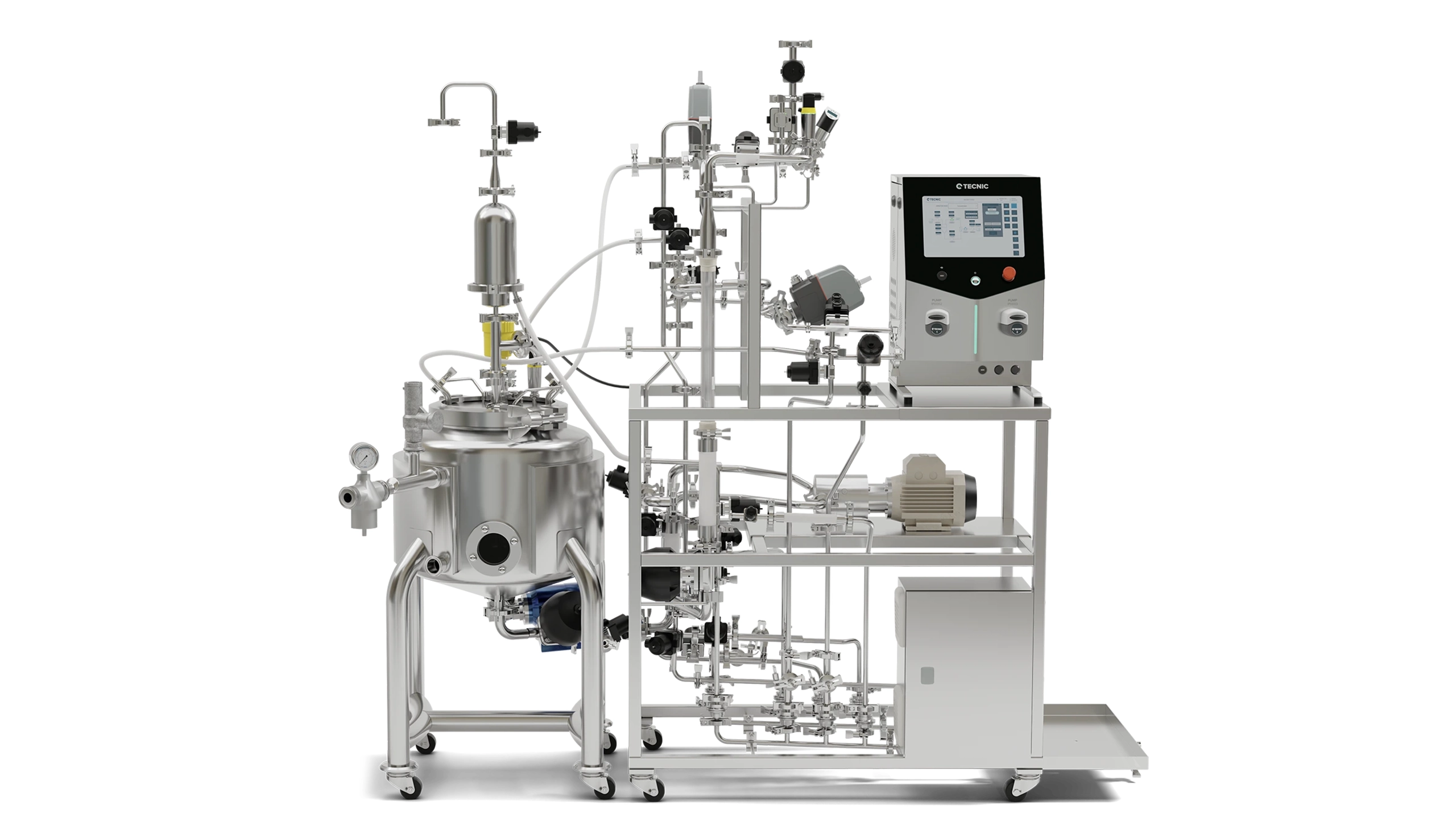
Pilot multi-use TFF system with up to 6.5 m² for scale-up and pilot downstream processing.
ePilot TFF system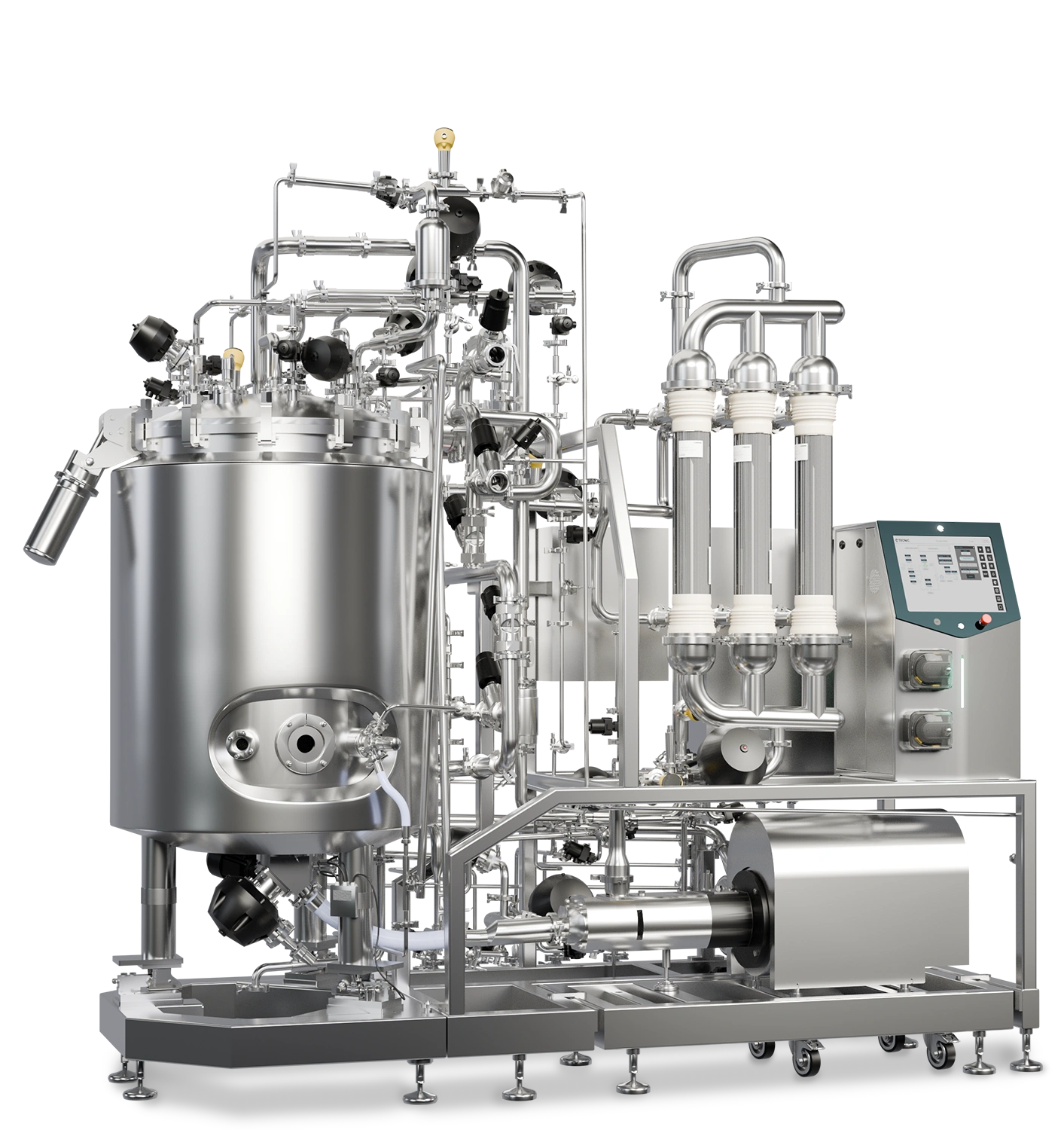
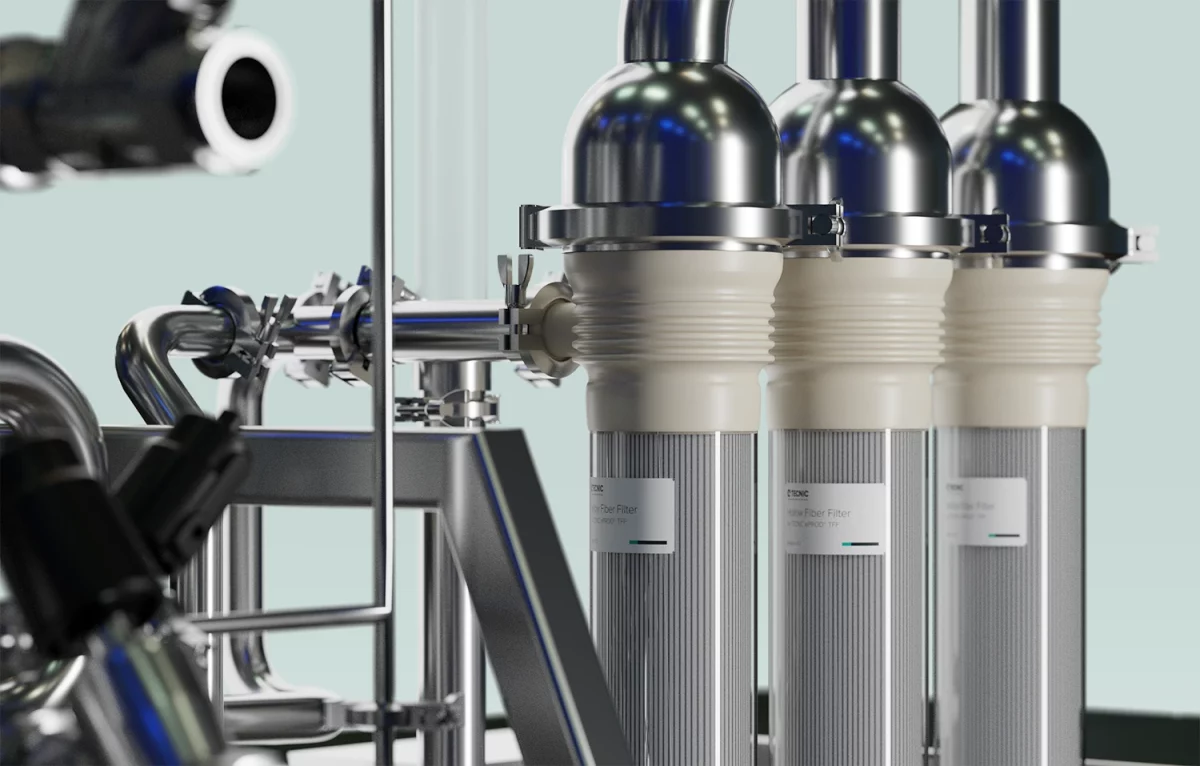
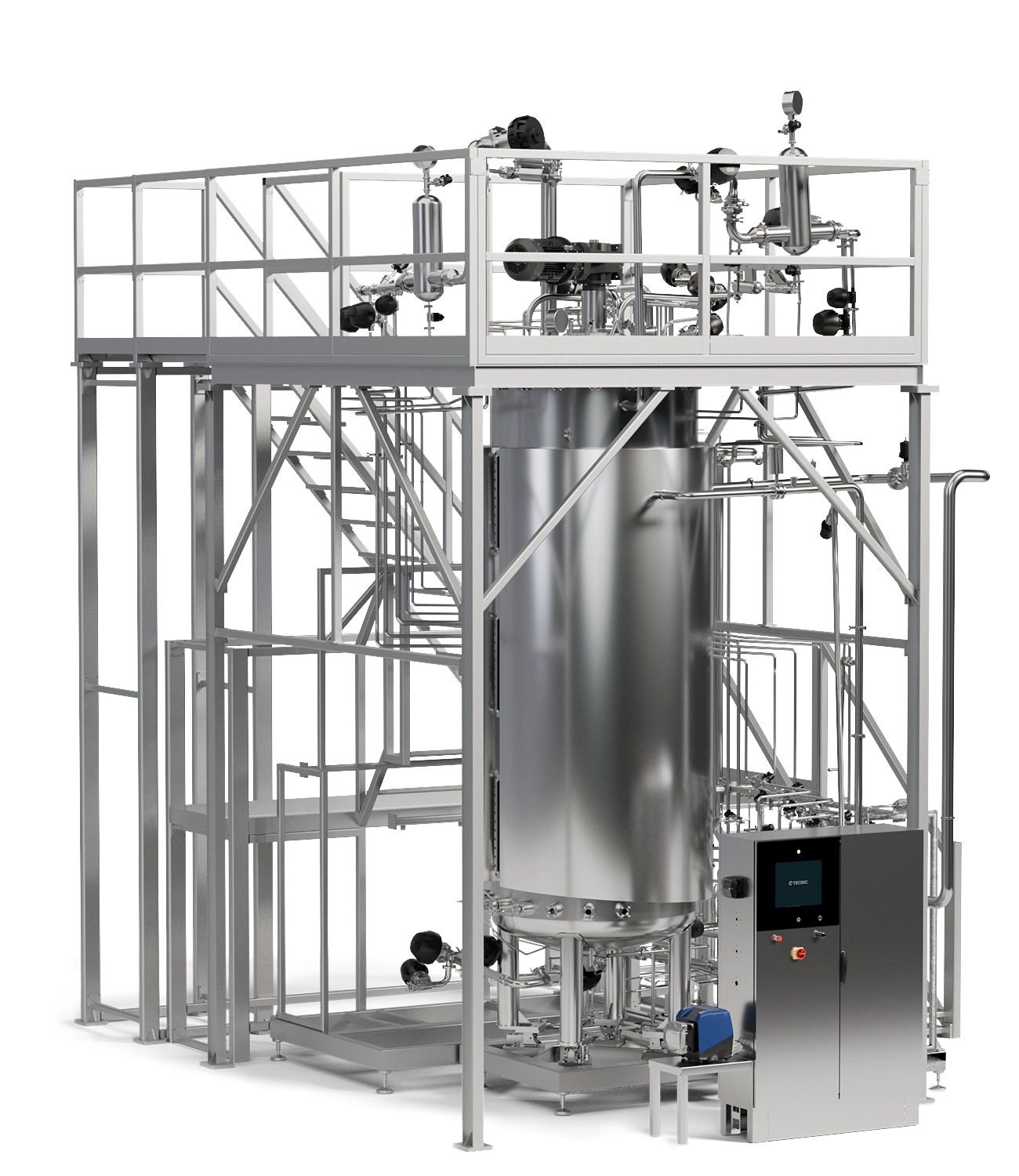
ePROD TFF
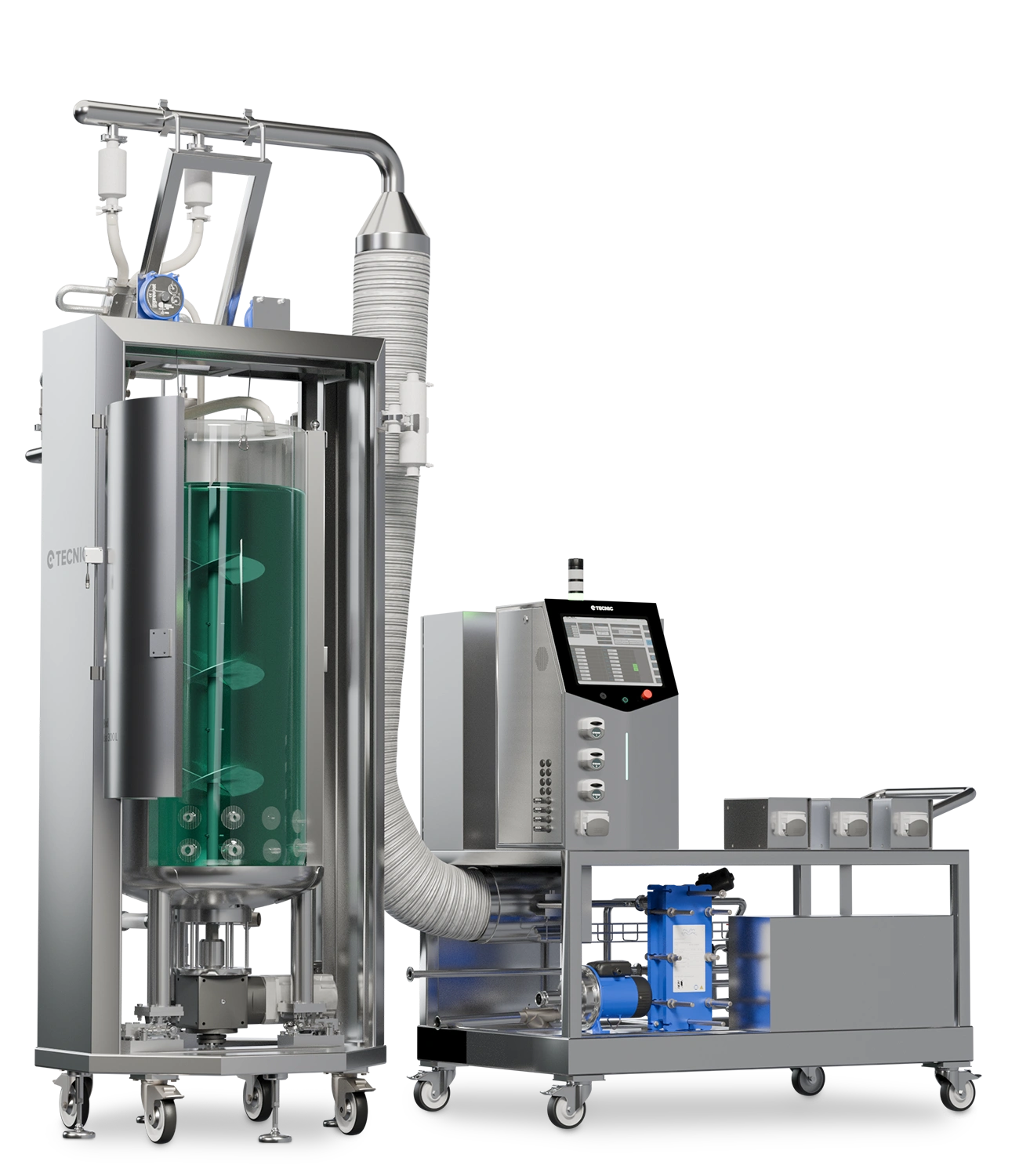
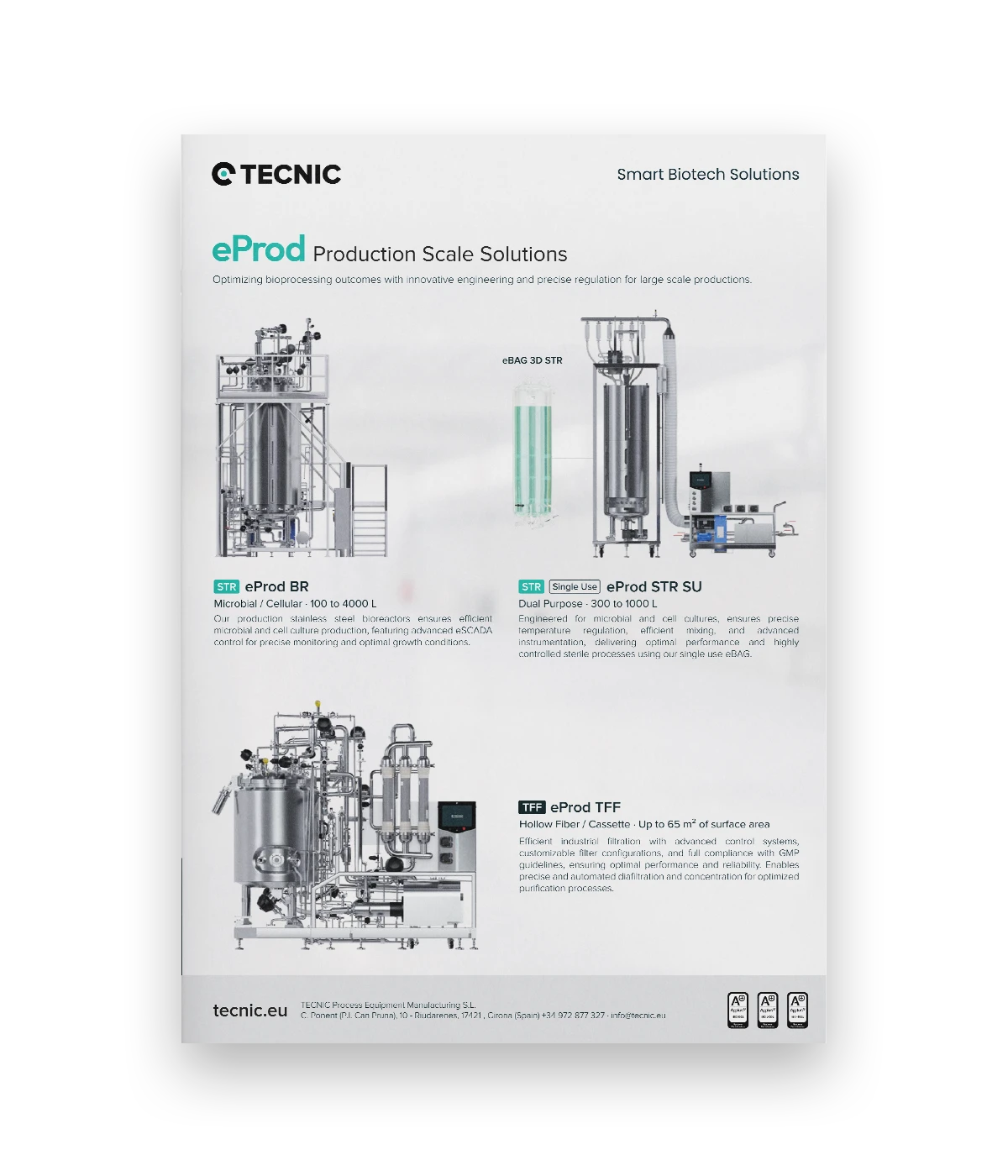
Production multi-use TFF system with up to 65 m² for larger-scale downstream execution.
eProd TFF platformHow to move from UF/DF definition to platform selection
TFF systems for ultrafiltration, diafiltration and buffer exchange
Compare TFF systems through the downstream task they need to perform.
Lab, pilot and production TFF systems
Review the TFF portfolio through laboratory, pilot and production stages.
Single-use and multi-use TFF systems
Compare reusable and single-use tangential flow filtration strategies across the range.
Tangential flow filtration
Review TECNIC platforms and connect project needs with available systems.
Frequently asked questions
What is the main role of ultrafiltration in a UF/DF step?
Ultrafiltration is used to reduce process volume and increase product concentration while retaining the molecule of interest in the system.
What is the main role of diafiltration in a UF/DF step?
Diafiltration is used to replace the current buffer and help remove smaller species that should not remain in the retained product stream.
Why should UF/DF be defined around the process objective first?
Because the step only works well when the team is clear about what must be concentrated, what must be exchanged and what the stream needs to look like after the operation.
Why does platform choice matter for UF/DF scale-up?
Because a UF/DF step that works at one scale still needs to remain coherent as the process moves into pilot or production execution.
Need to define a UF/DF step for a real downstream project?
If your team is evaluating concentration and buffer exchange strategy, TECNIC can help you review process fit, scale and the platform route that best supports the downstream objective.