






mRNA vaccines changed the way many people think about vaccination because they do not introduce a weakened virus or a ready-made protein. Instead, they deliver the instructions that tell cells which protein to produce so the immune system can learn to recognize it.
That makes them fast to redesign, flexible to develop and highly relevant for infectious disease prevention and, increasingly, for more advanced therapeutic applications.
An mRNA vaccine delivers a temporary messenger RNA sequence that instructs cells to produce a specific protein from a pathogen. The immune system then recognizes that protein and prepares a protective response without exposure to the whole virus.
What is an mRNA vaccine?
An mRNA vaccine uses messenger RNA as an instruction set. Instead of giving the body an inactivated virus, an attenuated virus or a purified antigen, it provides the information needed to produce one selected protein from the pathogen.
That protein is enough for the immune system to recognize the threat and build a response, which is why this approach can train immunity without exposing the person to the complete infectious agent.
The vaccine does not deliver the disease, it delivers instructions for making one target protein so the immune system can recognize it.
How it works in the body
The mechanism is different from that of many traditional vaccines, but the immunological goal is the same: prepare the body to respond rapidly and effectively if the real pathogen appears.
The vaccine introduces an mRNA sequence into the body.
The mRNA reaches cells near the injection site and enters the cytoplasm.
Cells read the mRNA and produce the selected pathogen protein.
The immune system recognizes the protein and develops antibodies and immune memory.
The mRNA is naturally broken down after doing its job and does not remain long term.
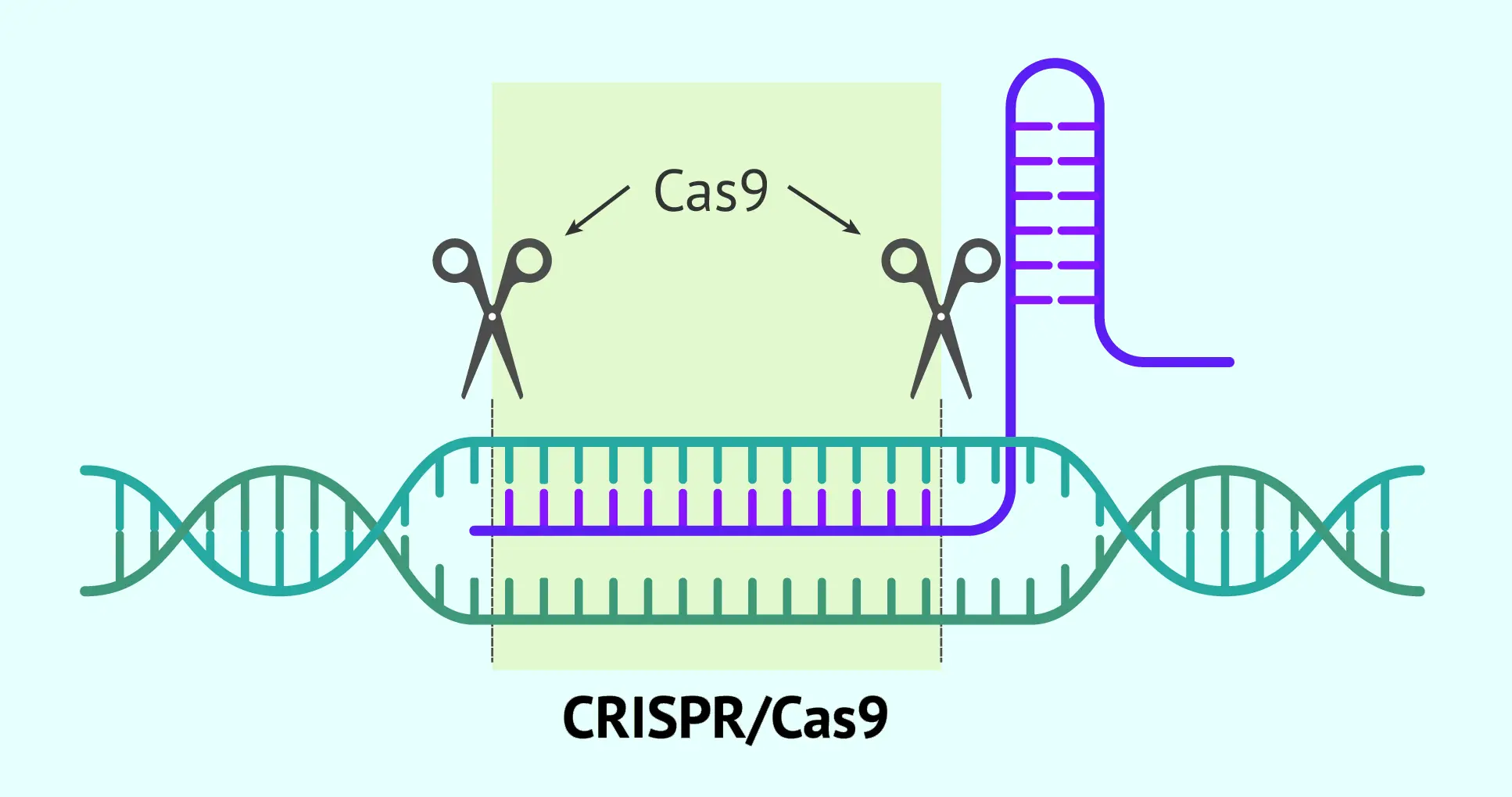
One of the most important clarifications is that vaccine mRNA does not enter the cell nucleus and does not alter human DNA. It remains temporary and is degraded naturally after use.
Why it is considered safe
The article explains that mRNA vaccines have shown a strong safety profile and that the molecule itself is naturally short-lived. This matters because many concerns are based on the mistaken idea that mRNA remains in the body for long periods or modifies DNA.
In practice, the body already uses and degrades messenger RNA constantly. Vaccine mRNA follows the same temporary logic, it is used, translated and then eliminated.
mRNA vaccines do not contain a live infectious agent, so they cannot cause the disease they are designed to prevent.
The mRNA does not enter the nucleus and does not modify the person’s genome.
After the target protein is produced, the mRNA is broken down naturally by the cell.
The immune memory may last months or longer, but the mRNA molecule itself does not stay in the body long term.
What is being developed beyond COVID-19
One of the strongest advantages of the mRNA platform is that it is not limited to one disease. The article explains that research is already exploring applications in influenza, RSV, rabies, HIV, malaria, tuberculosis and cancer, among others.
This matters because once a target protein is identified, the platform logic remains adaptable. That flexibility is part of what made mRNA vaccines so important during the pandemic and why they remain relevant beyond it.
Current real-world use
The mRNA vaccines most widely used in people to date have been the COVID-19 vaccines developed by Pfizer-BioNTech and Moderna.
Future development path
The same technology platform is now being explored for infectious diseases, cancer vaccines and other highly targeted medical applications.
Why this platform matters so much in biotechnology
The article highlights two major reasons. First, mRNA vaccines can be designed and updated faster than many traditional vaccine formats. Second, they depend on advanced biotechnology manufacturing rather than classical pathogen cultivation alone.
That means their success is tied not only to molecular biology but also to process development, scale-up, formulation and production equipment that can support consistent industrial manufacturing.
How TECNIC fits this production landscape
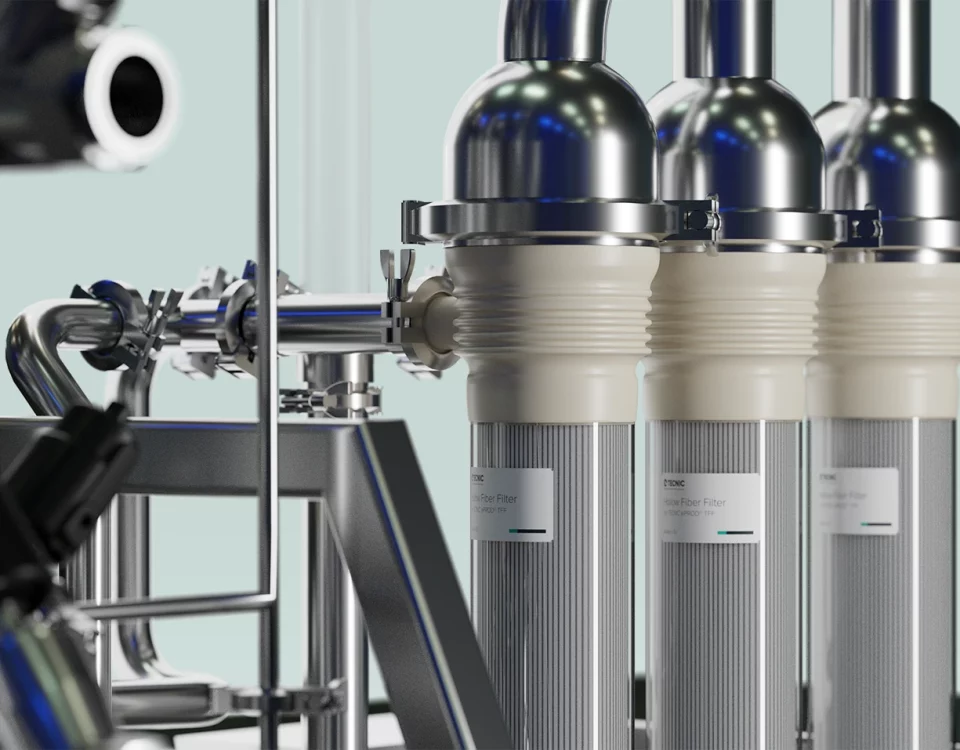
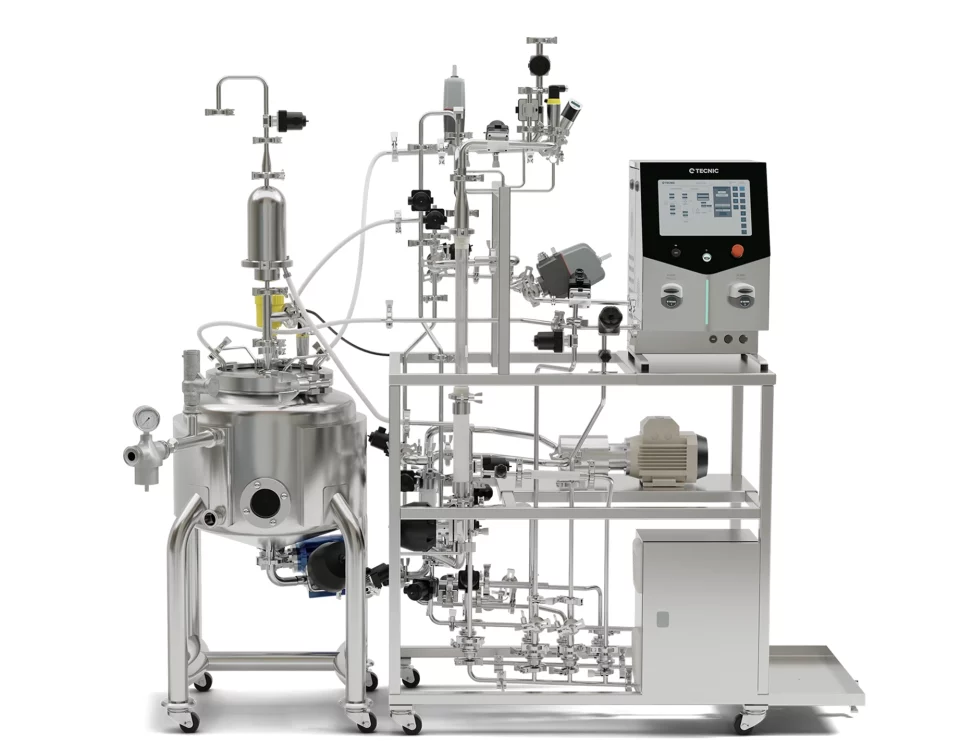
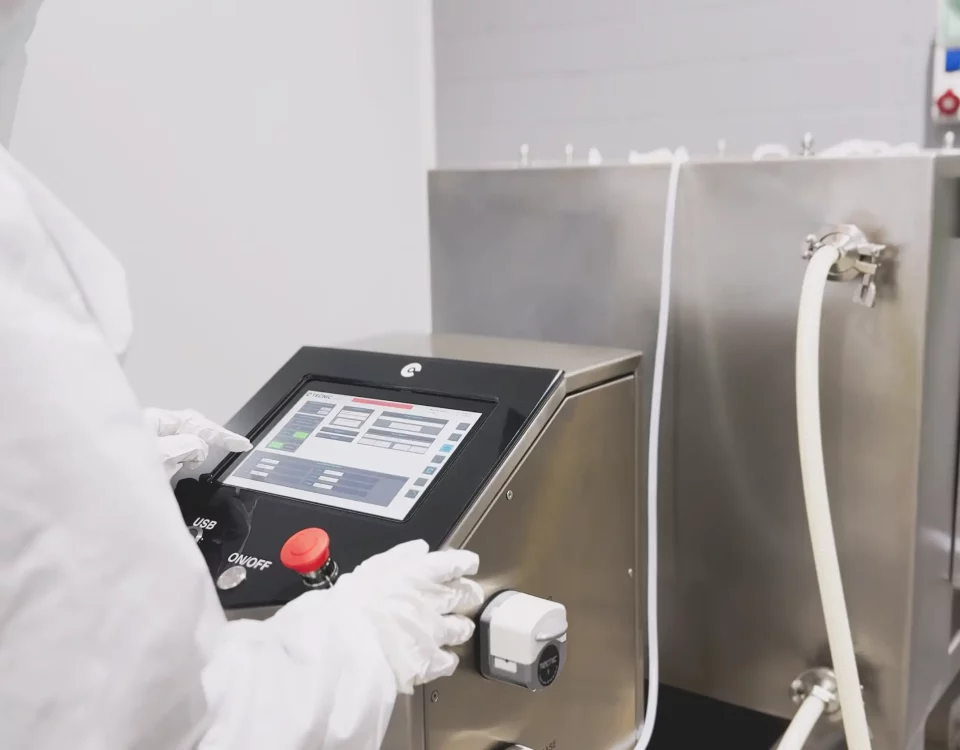
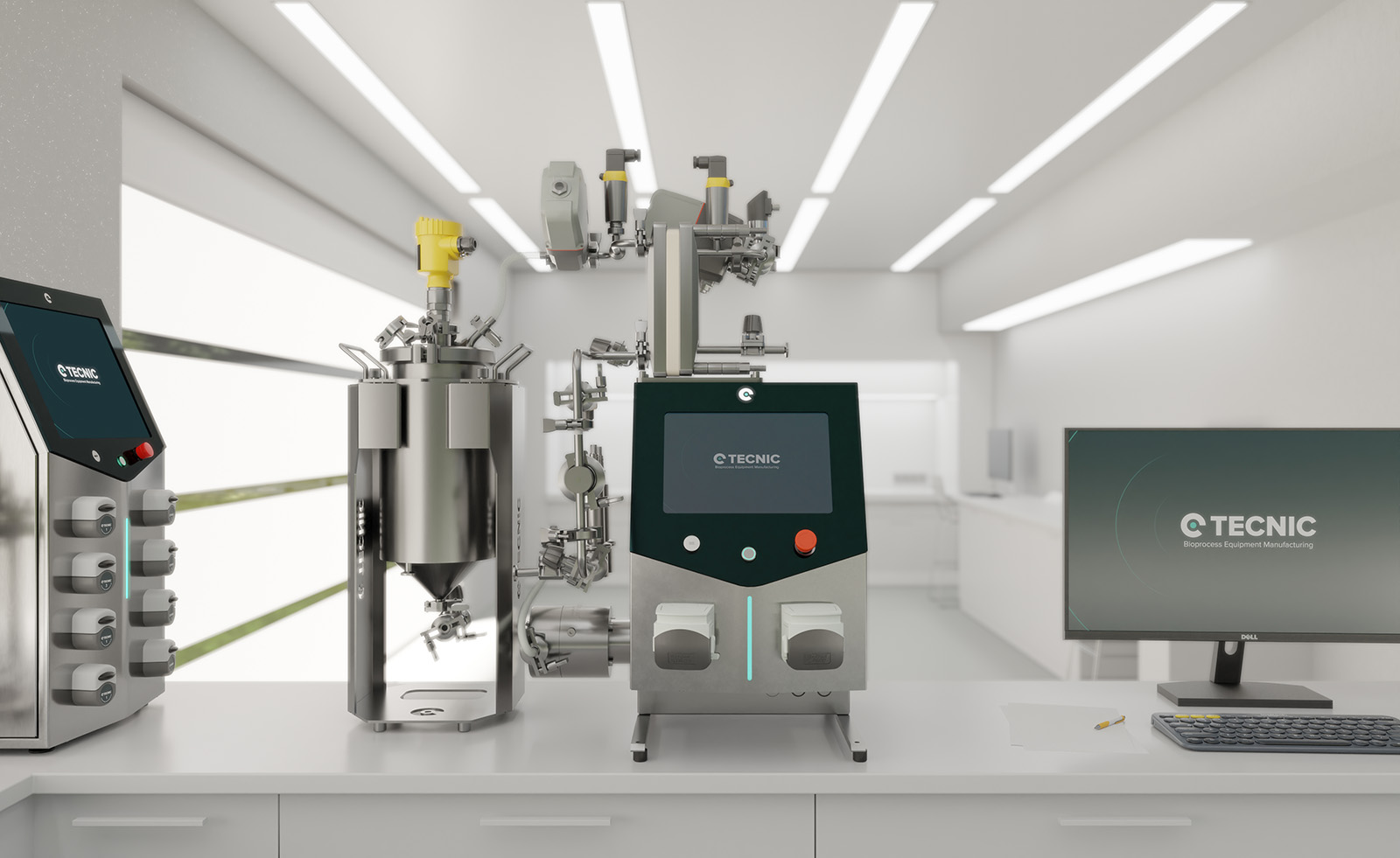
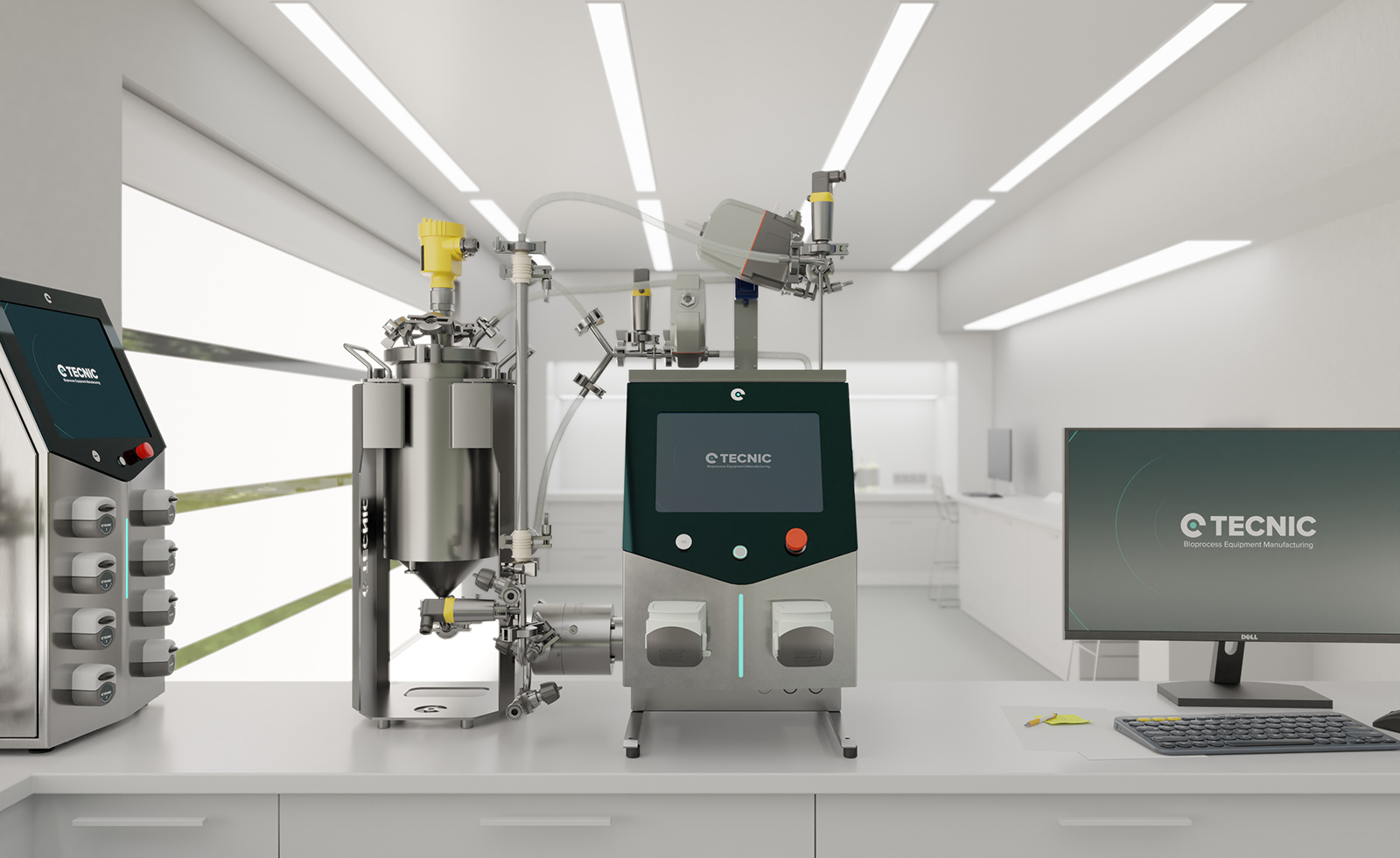
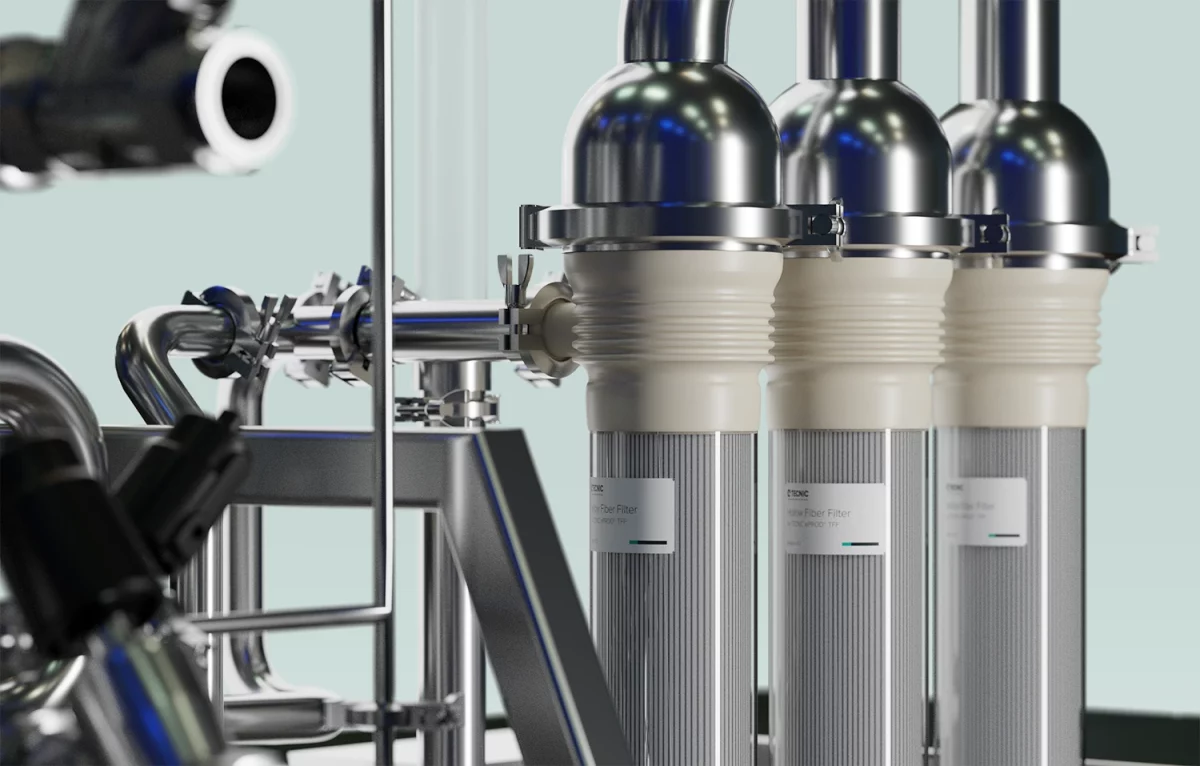
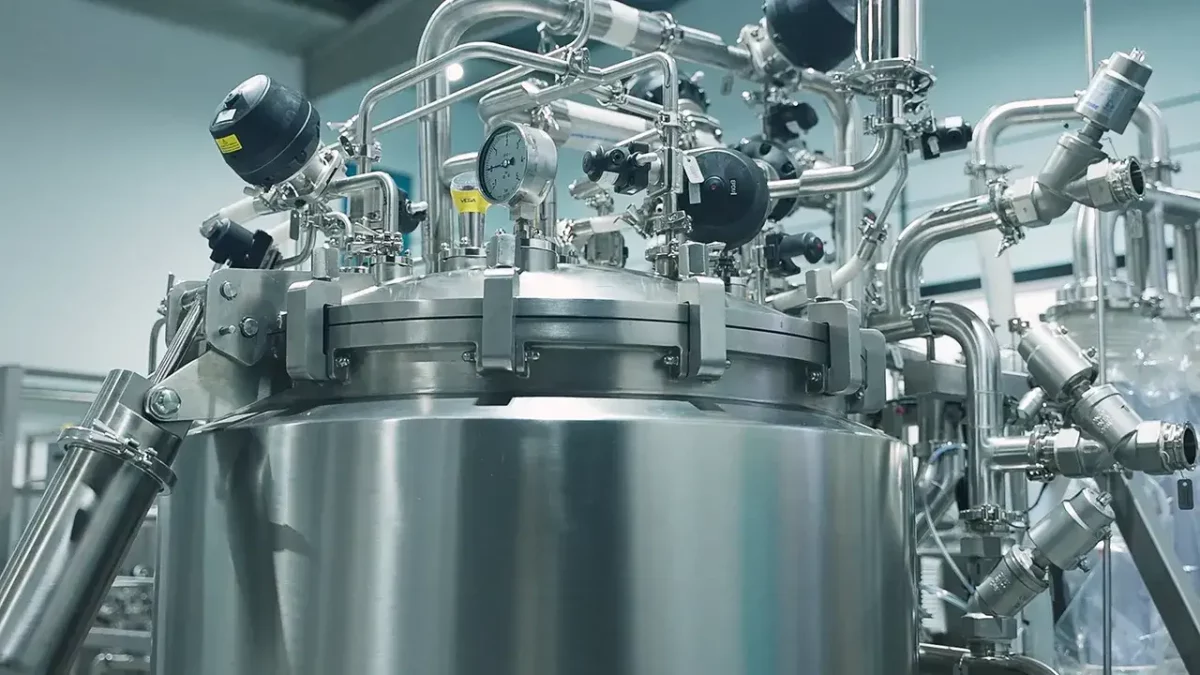
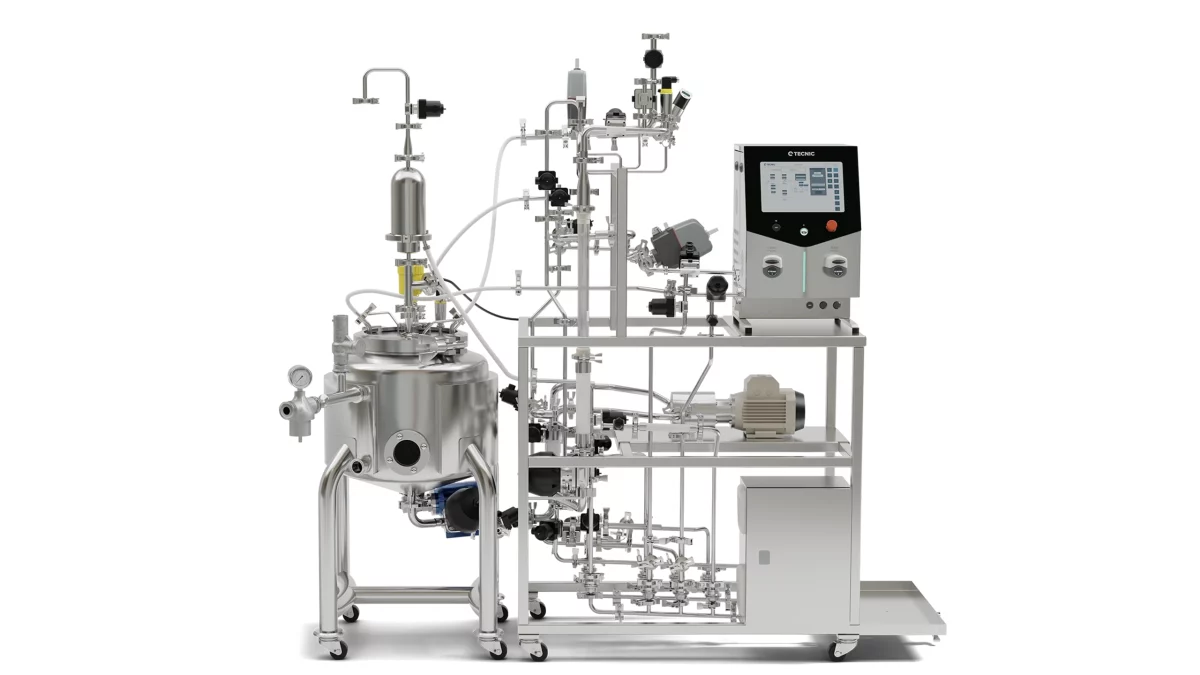
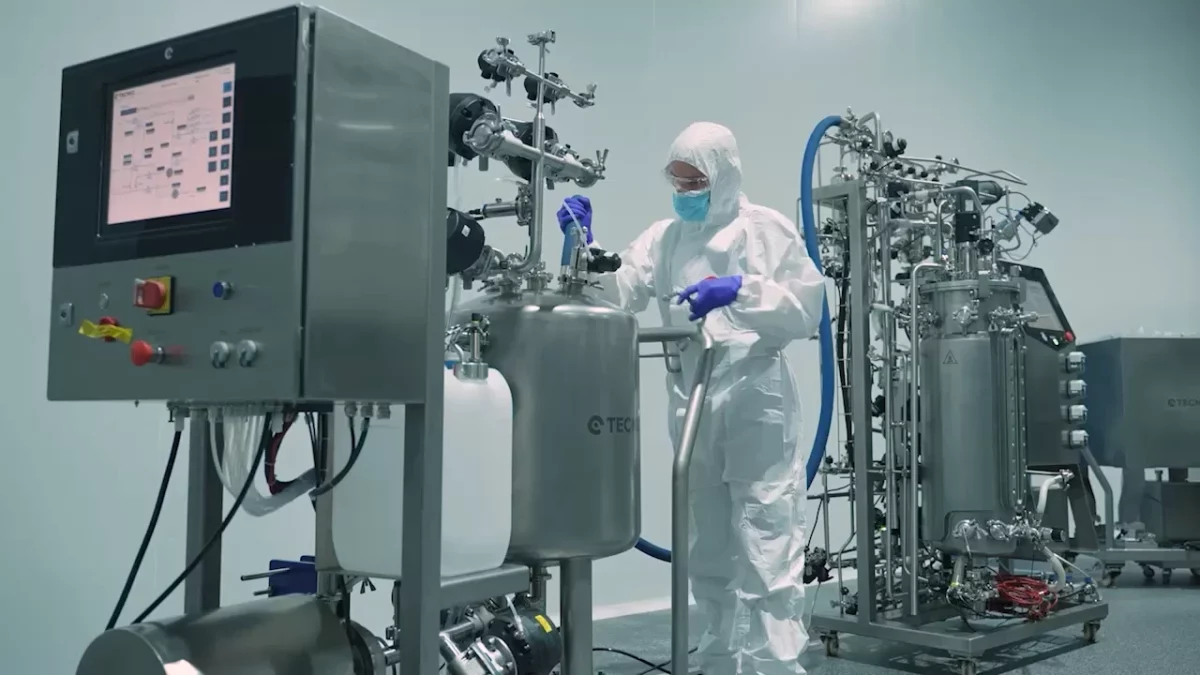
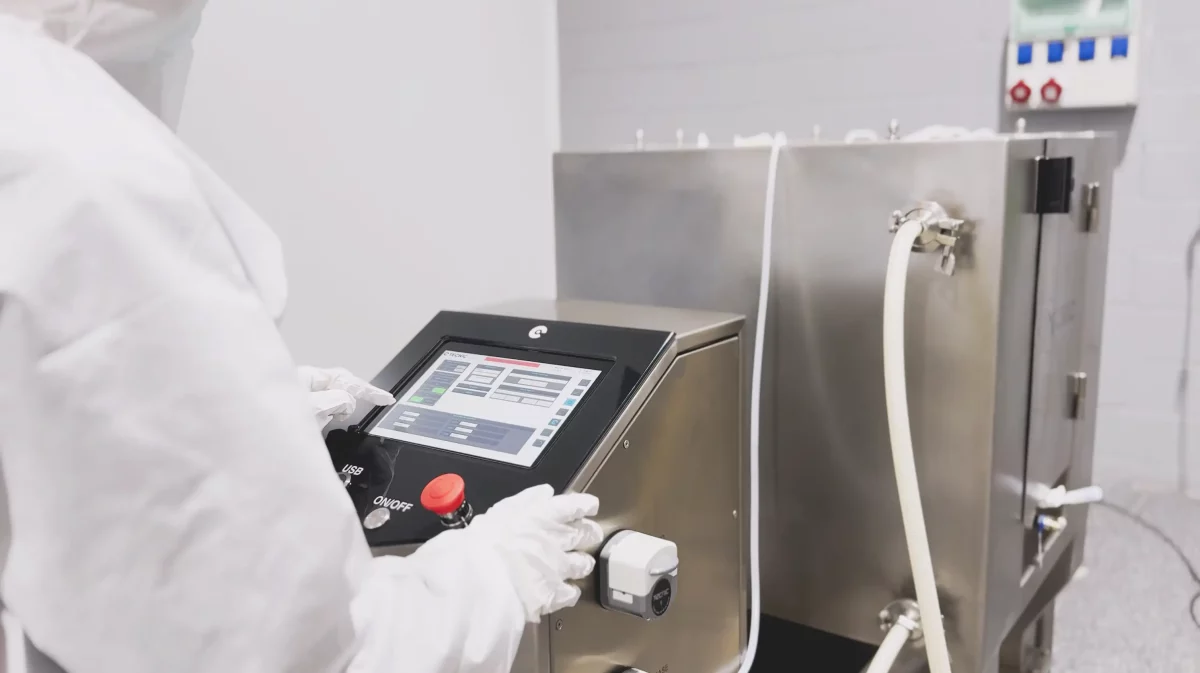
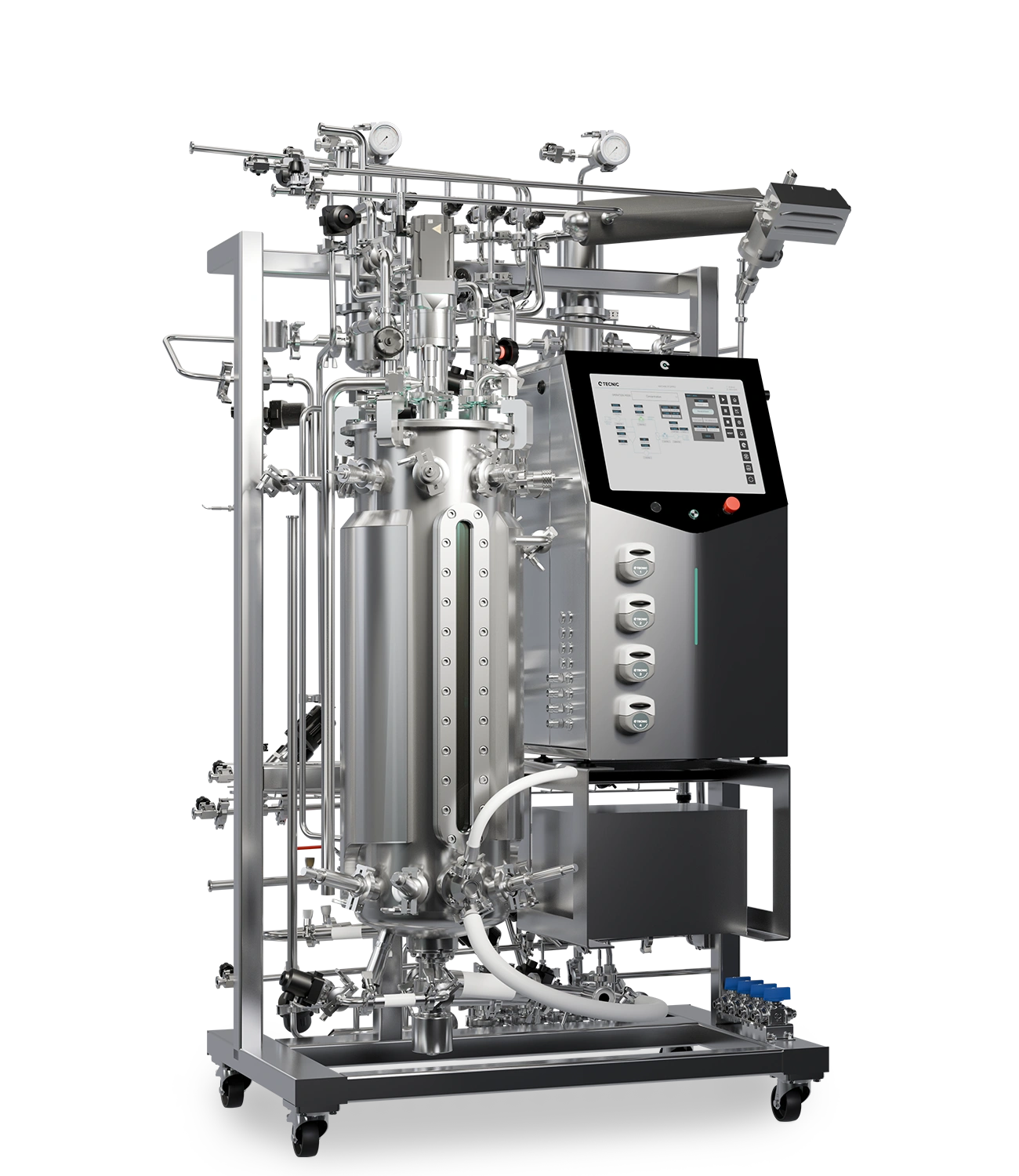
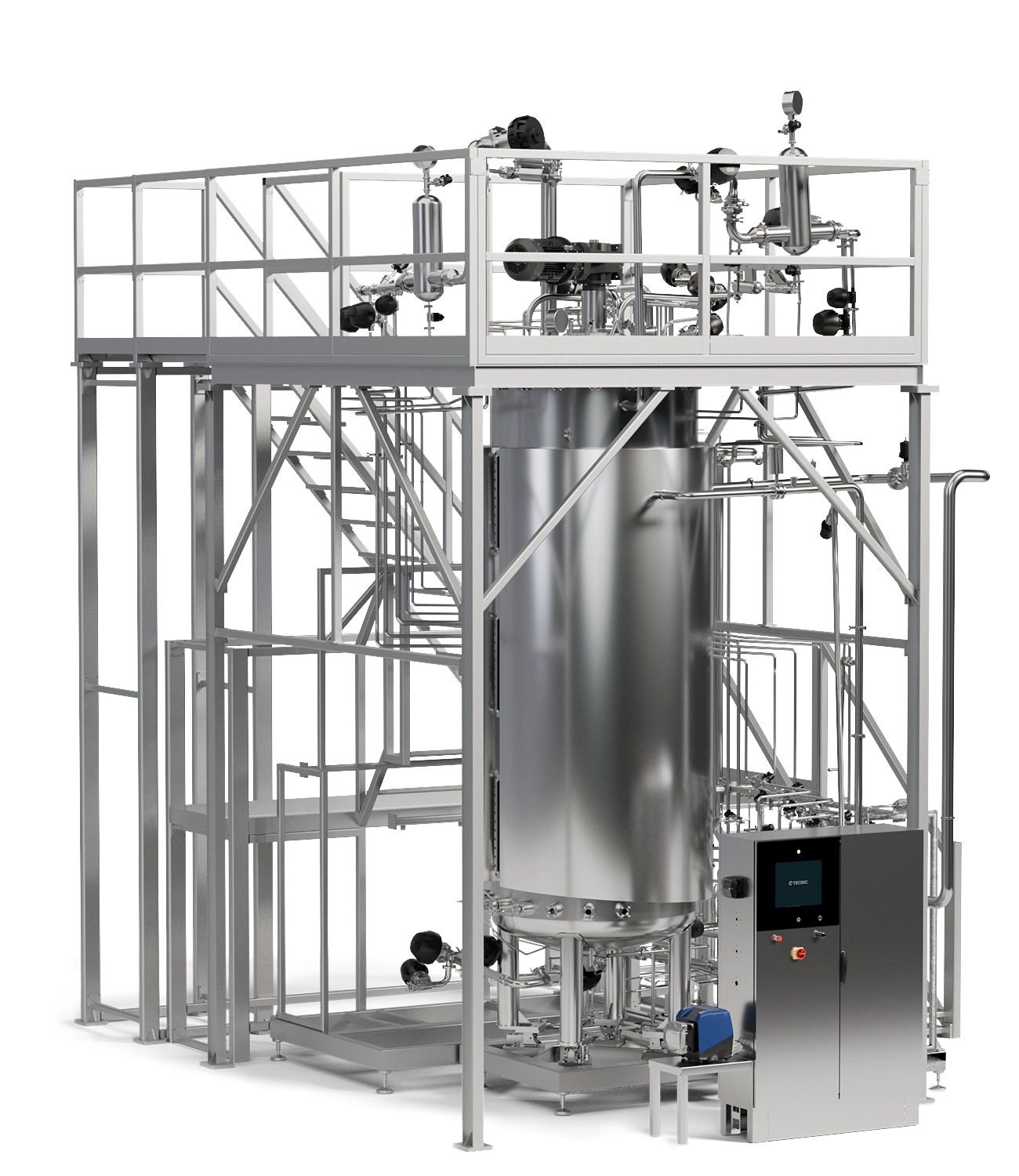
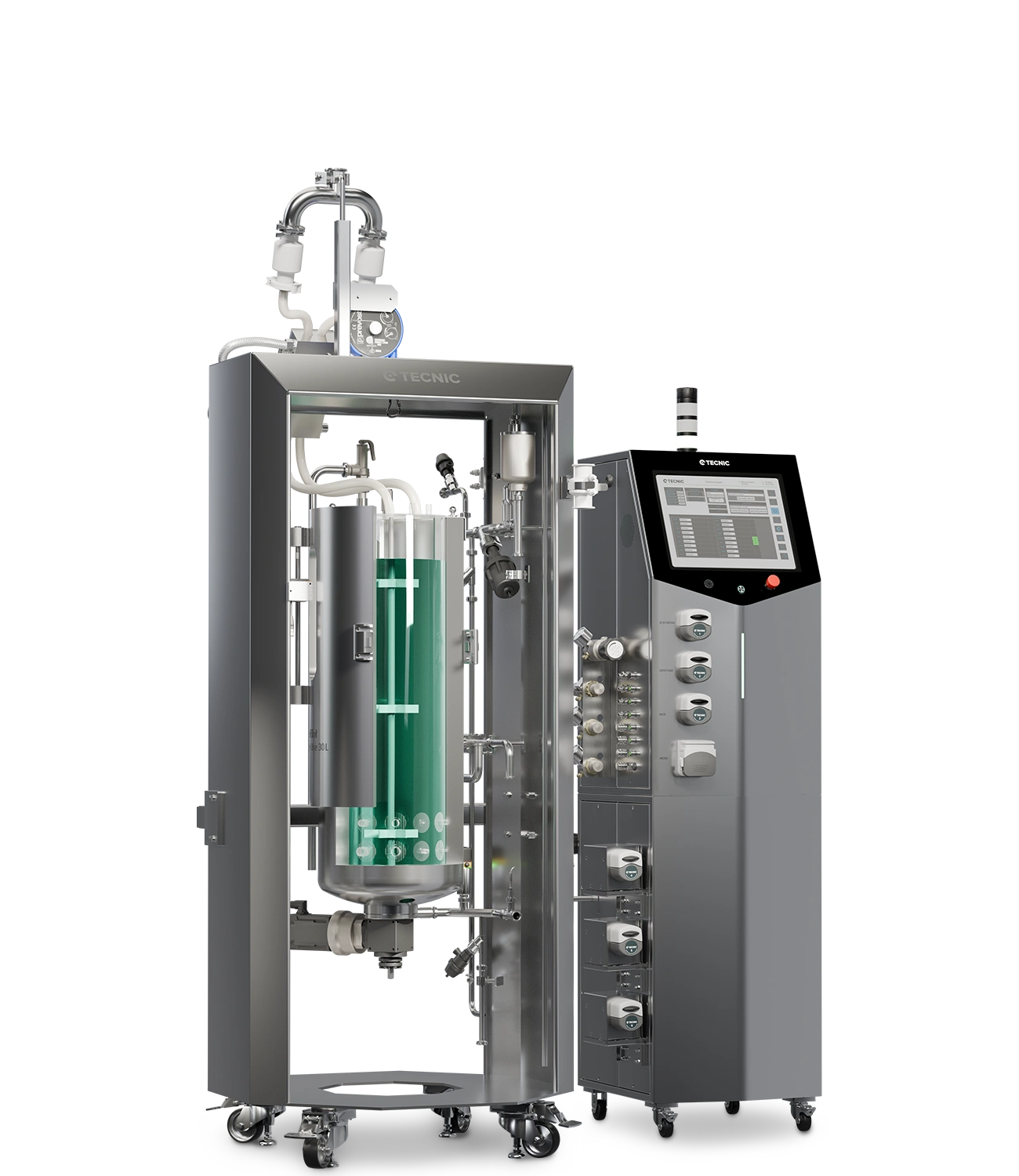
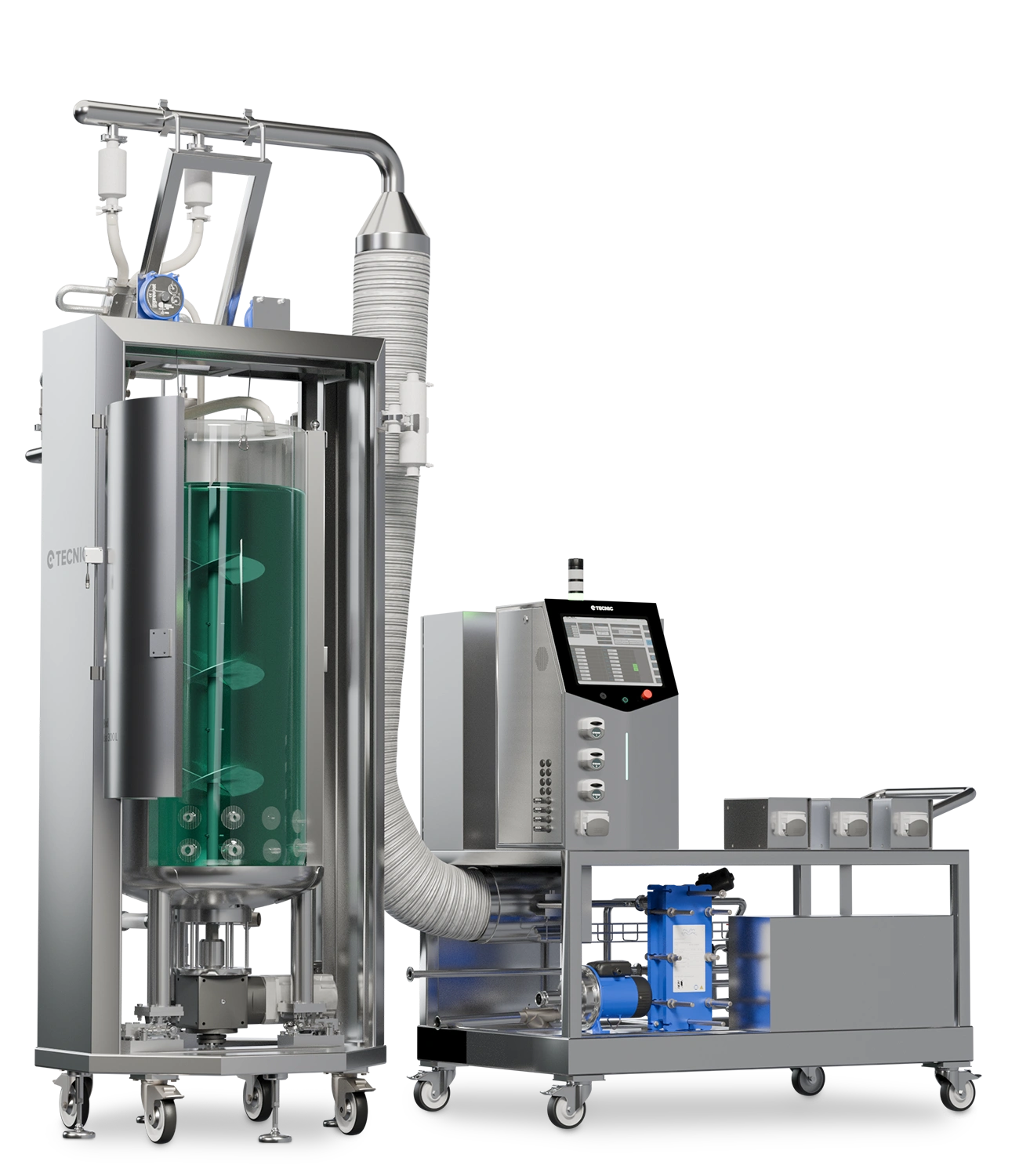
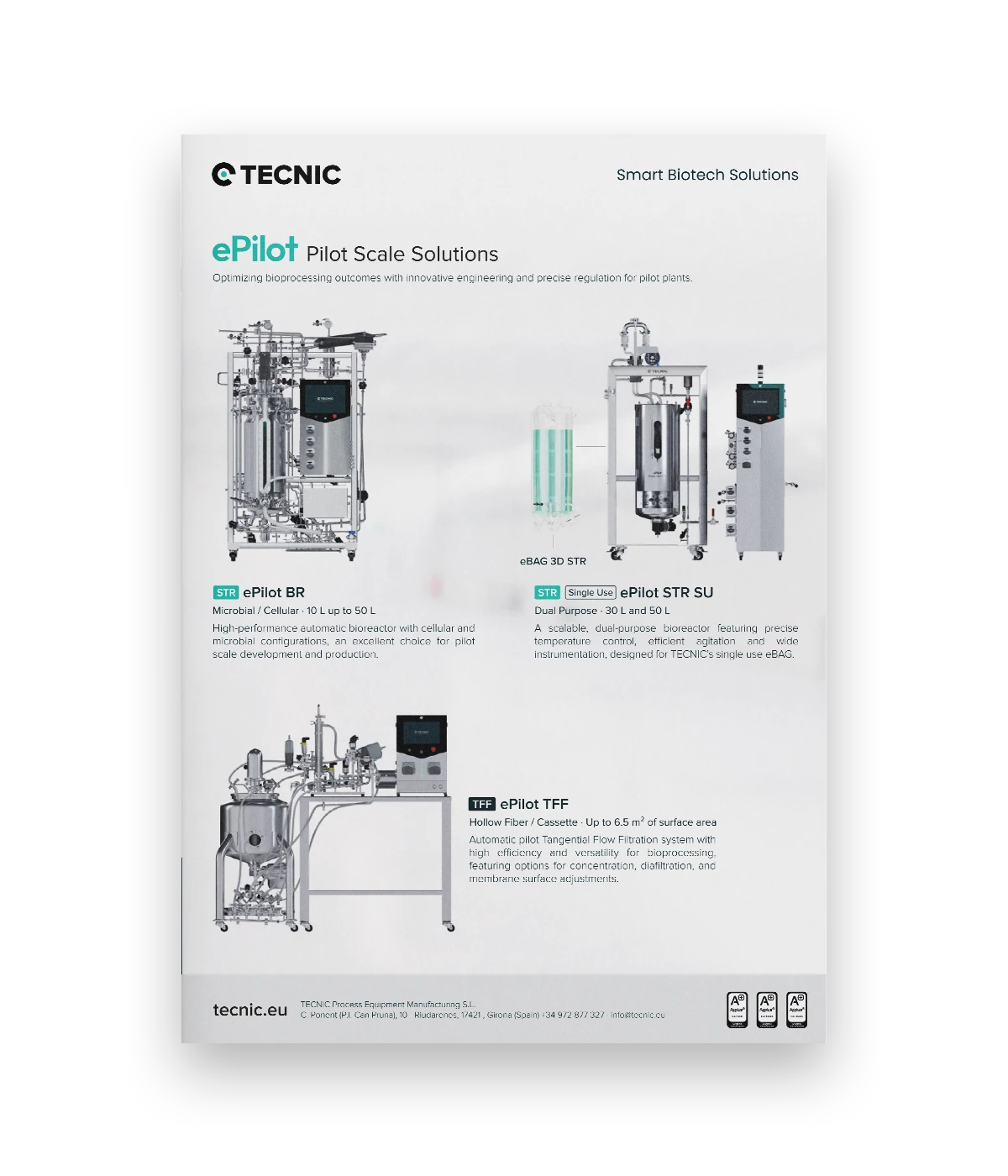
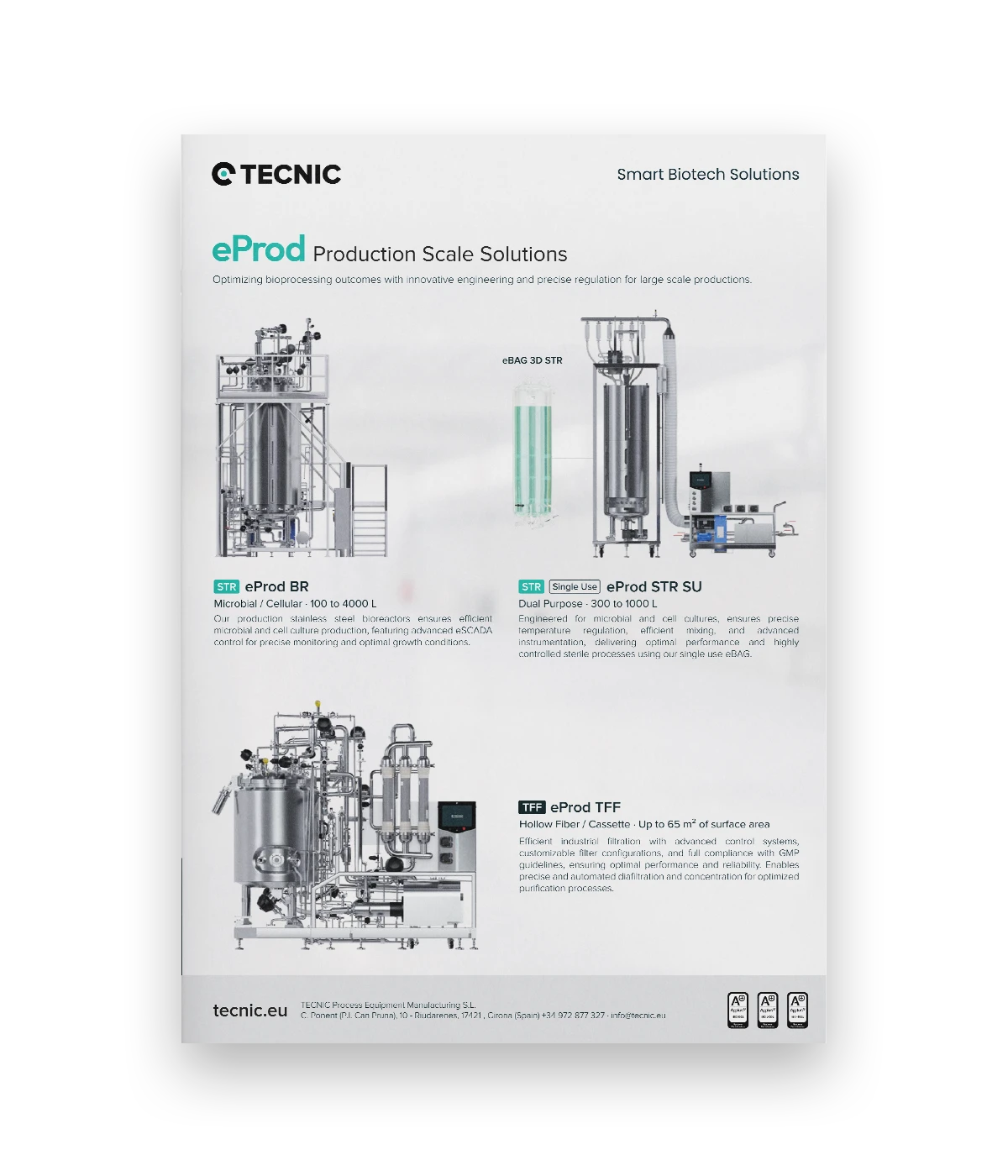
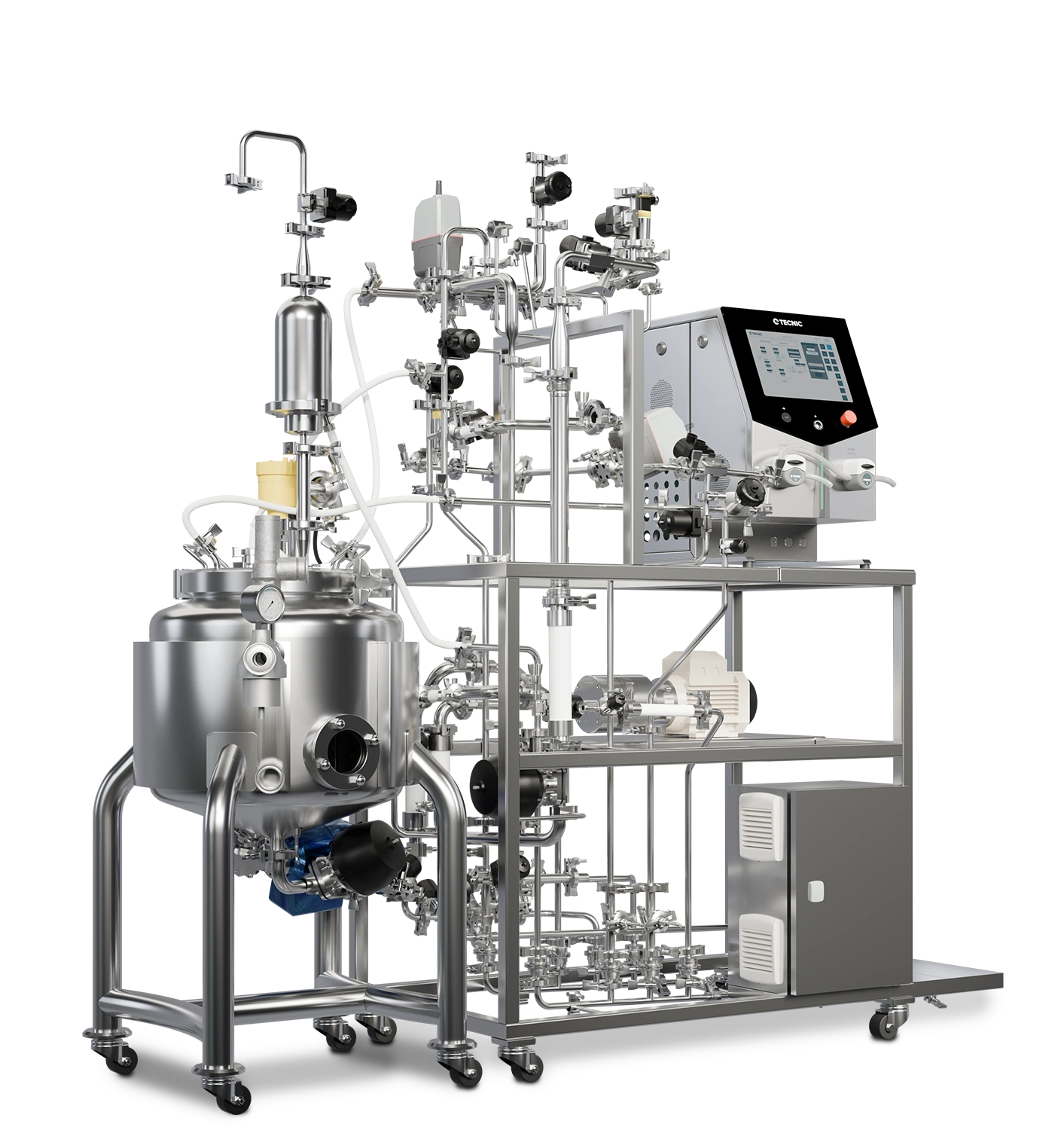
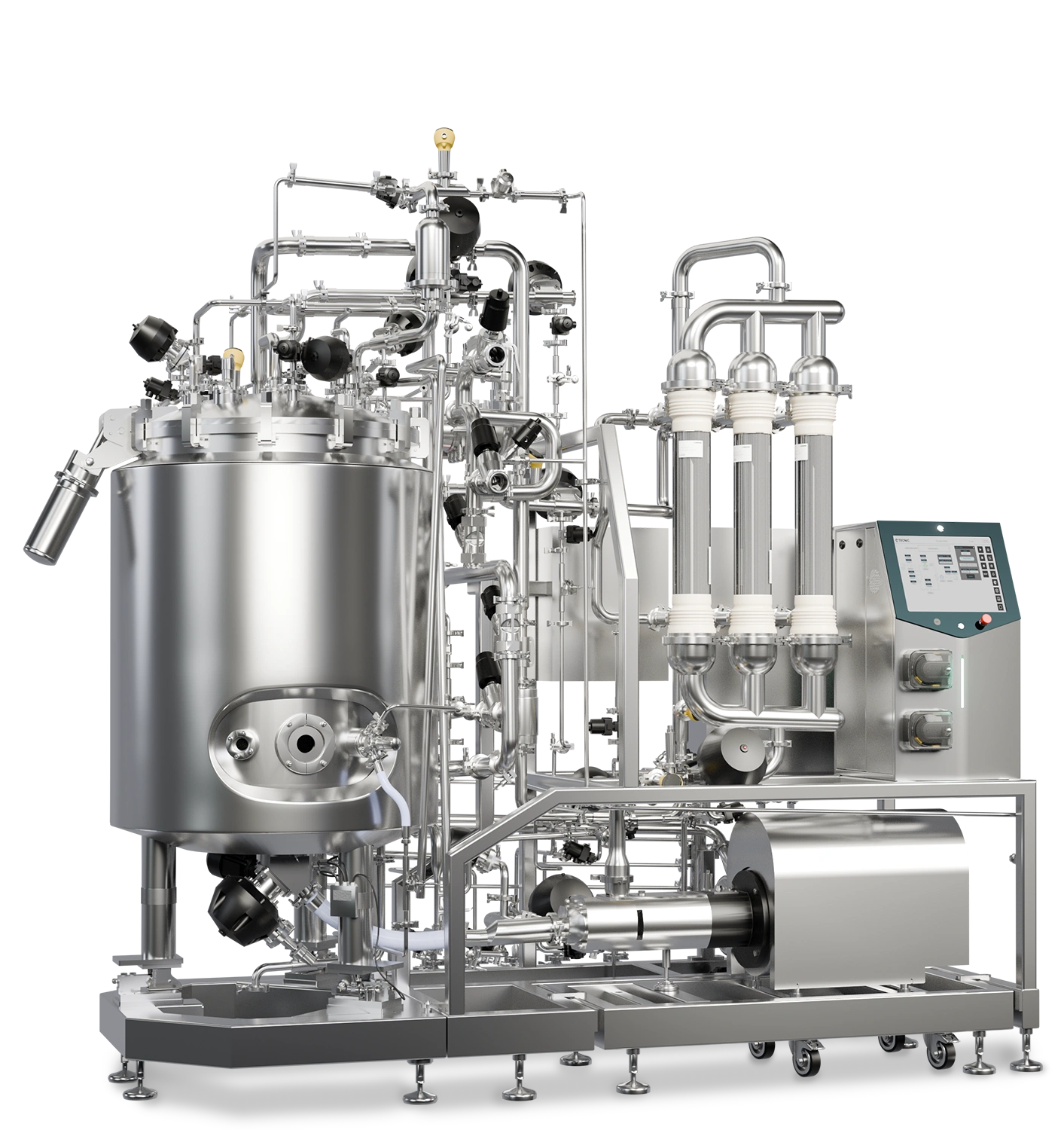
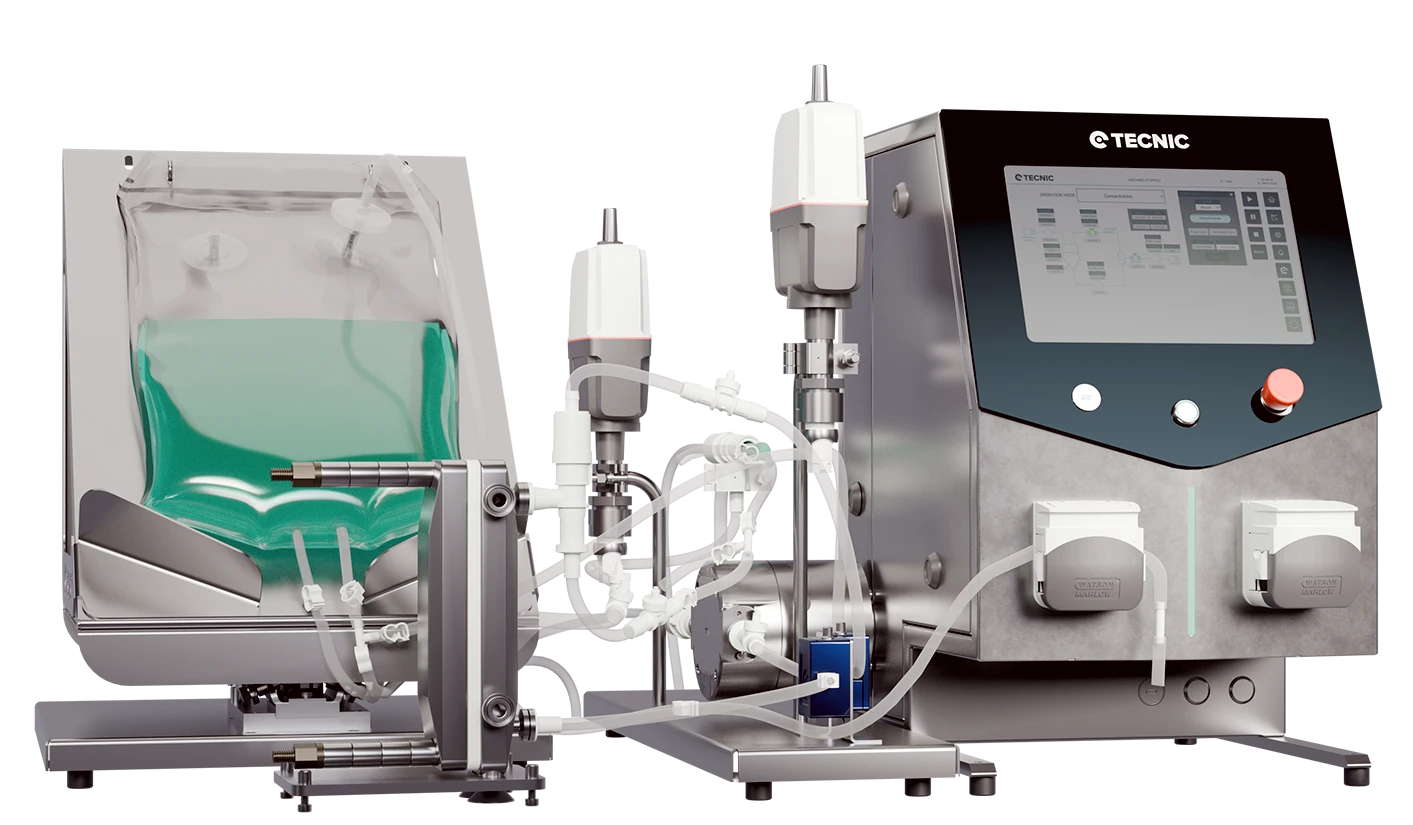
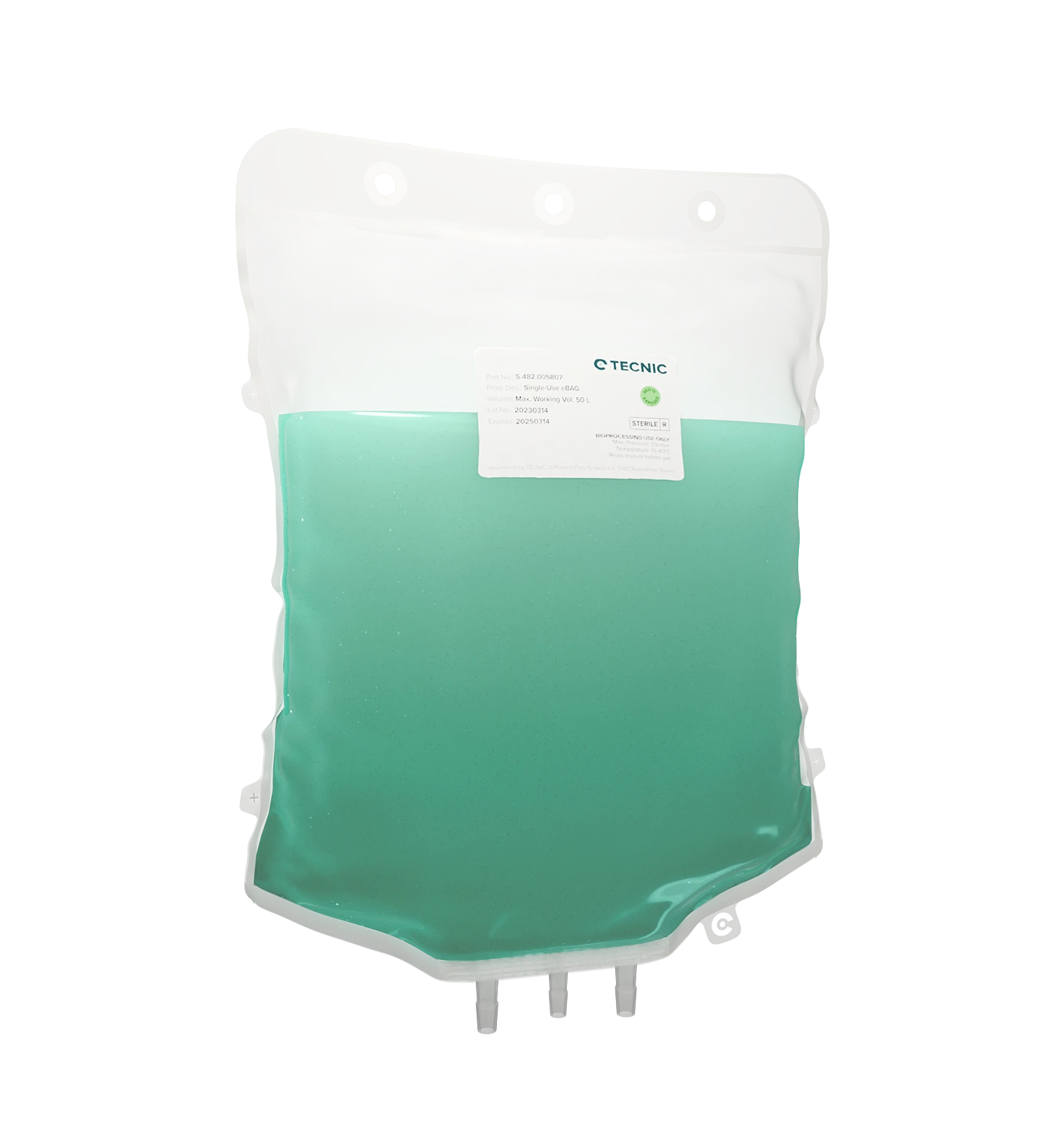
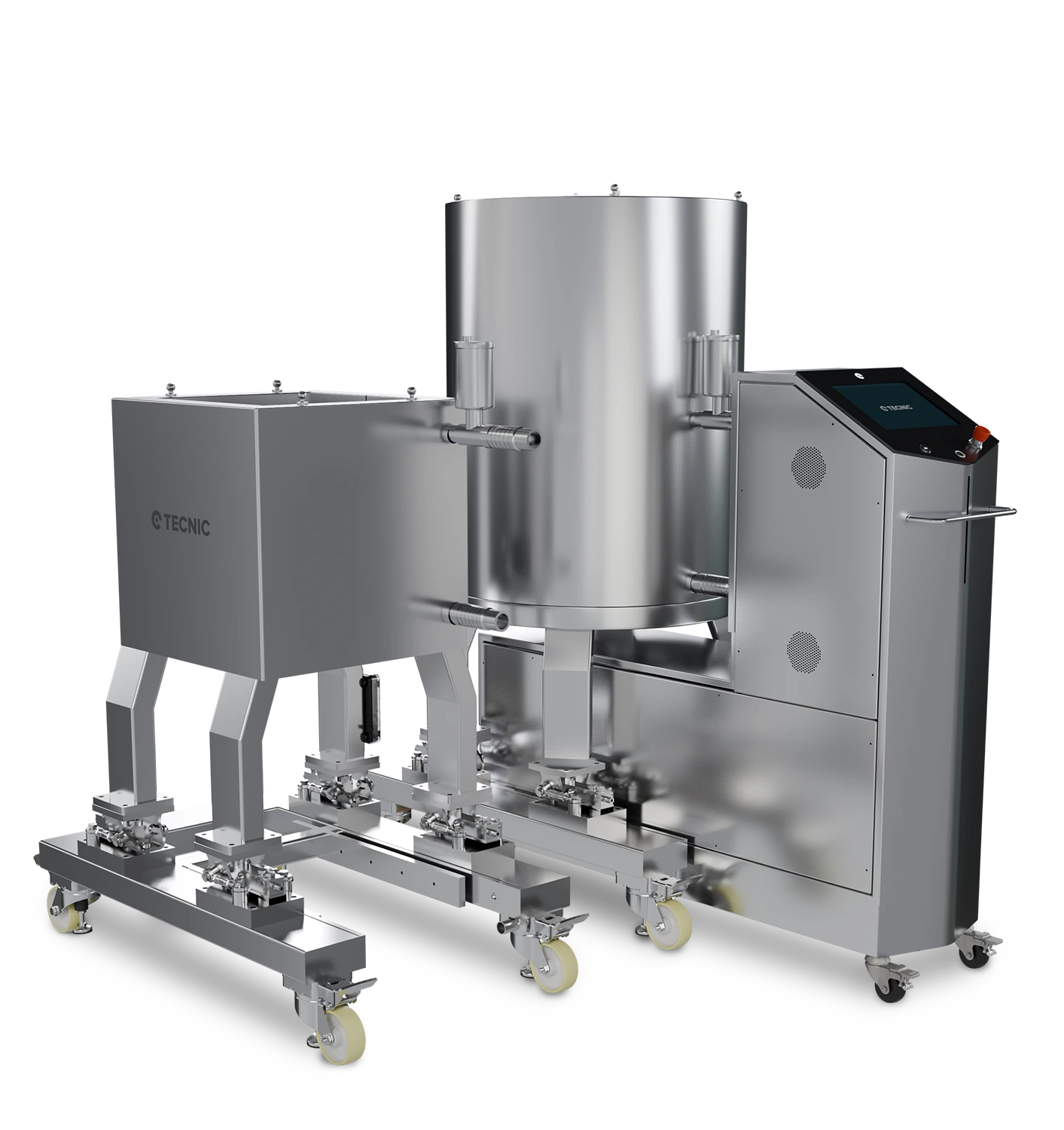
The article closes by linking mRNA vaccines to the need for specialised biotechnology production systems, especially in cell culture and downstream processing. That creates a natural bridge toward TECNIC’s bioreactors and TFF systems, which are presented as tools that help move from research into industrial manufacturing.
Bioreactors
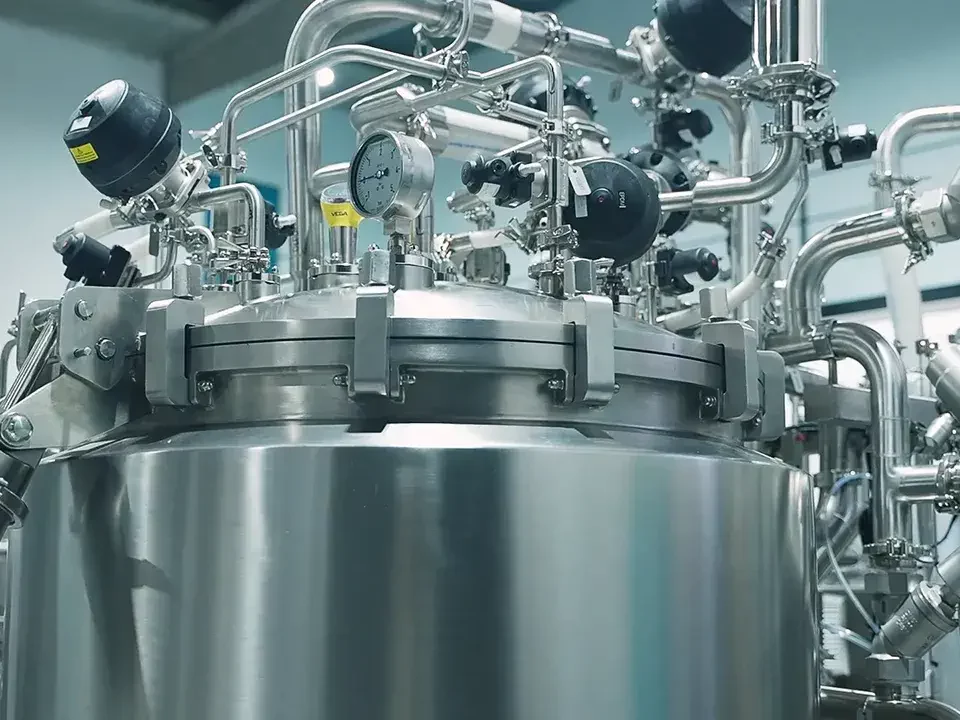
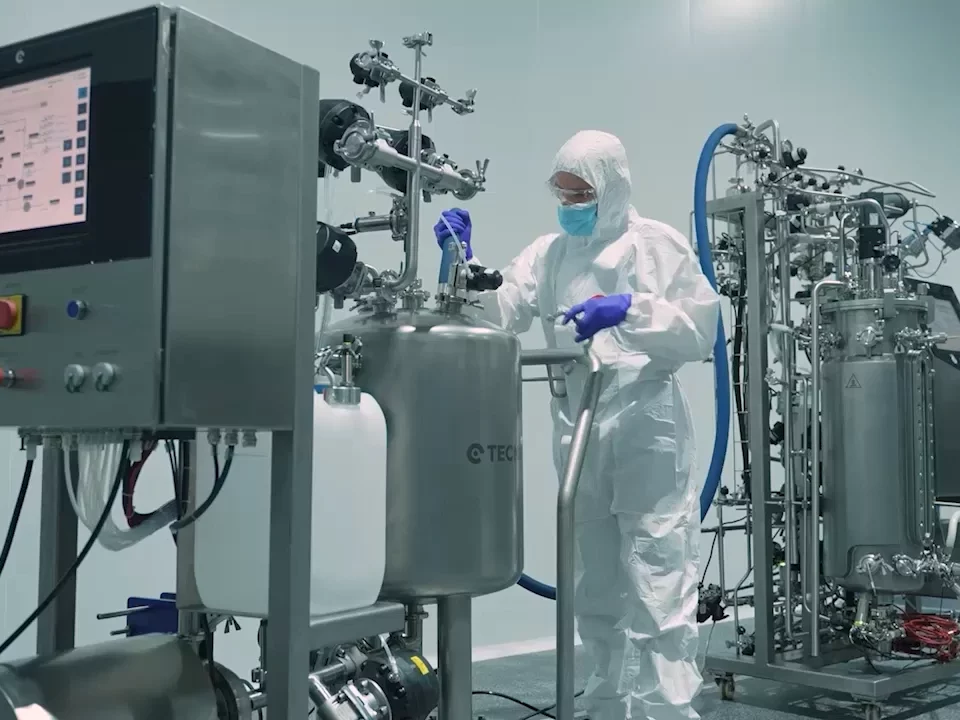
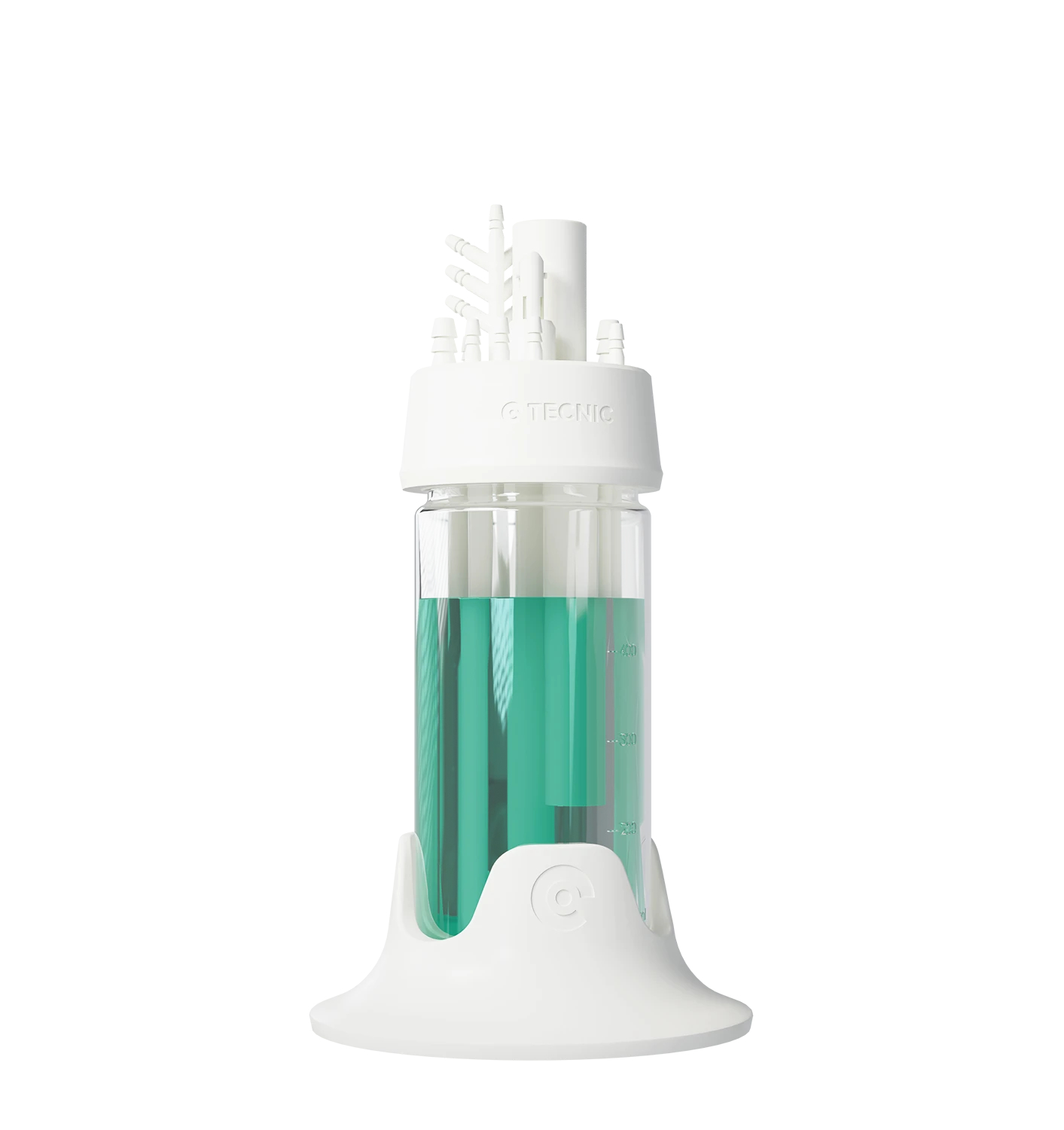
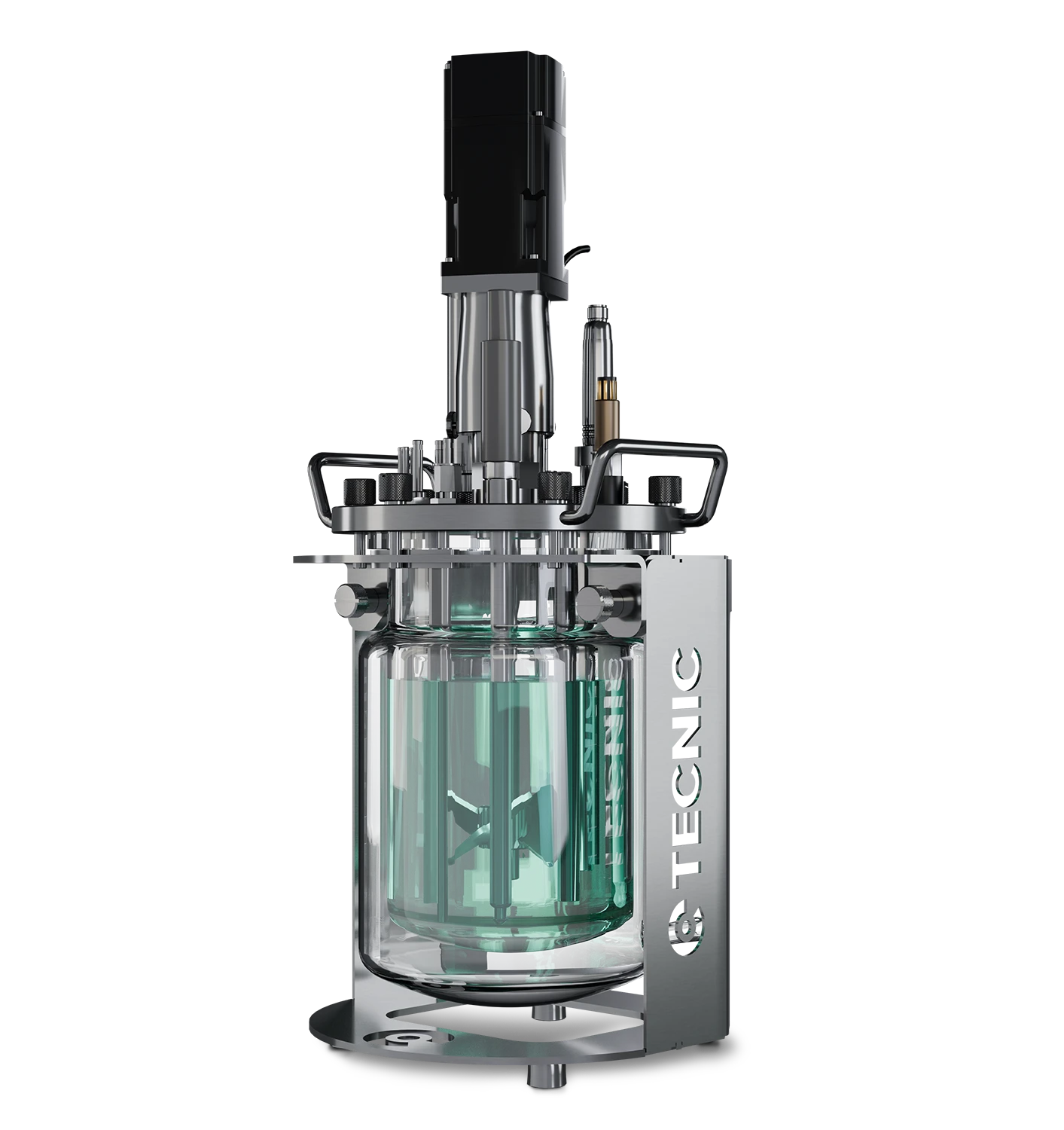
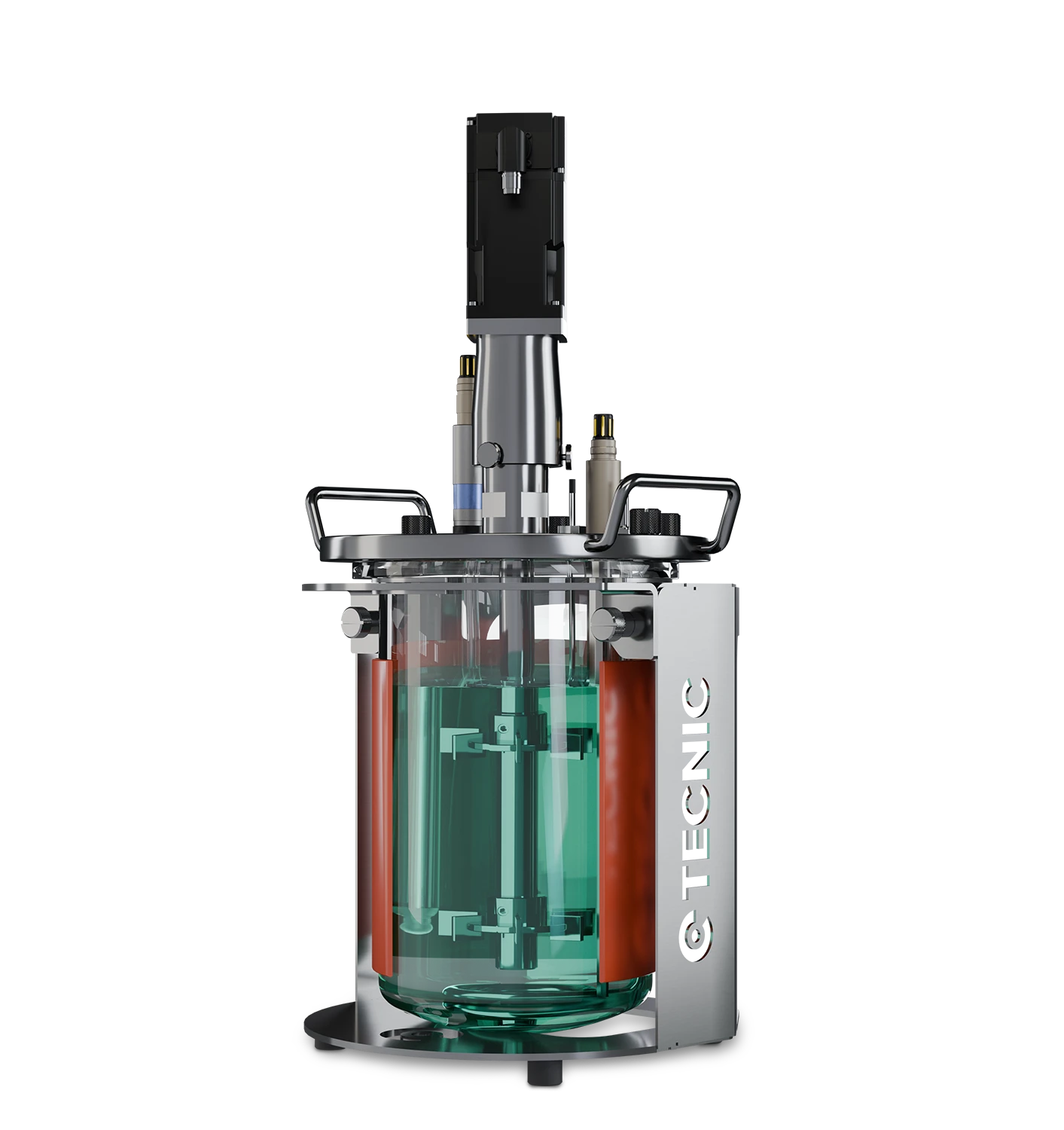
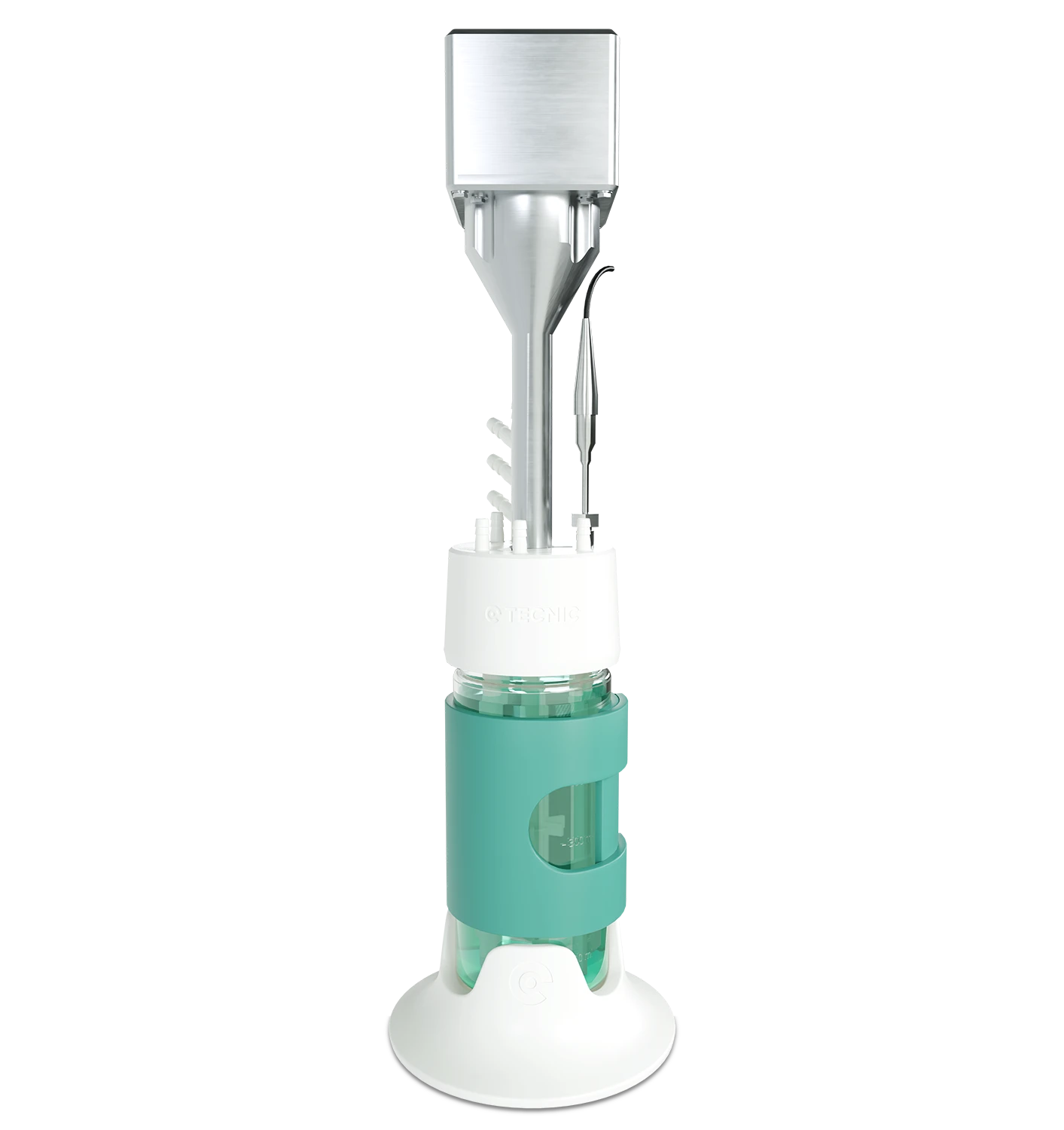
The article explicitly connects mRNA vaccine production with cell culture and bioreactor technology, making this the clearest equipment bridge.
TFF systems
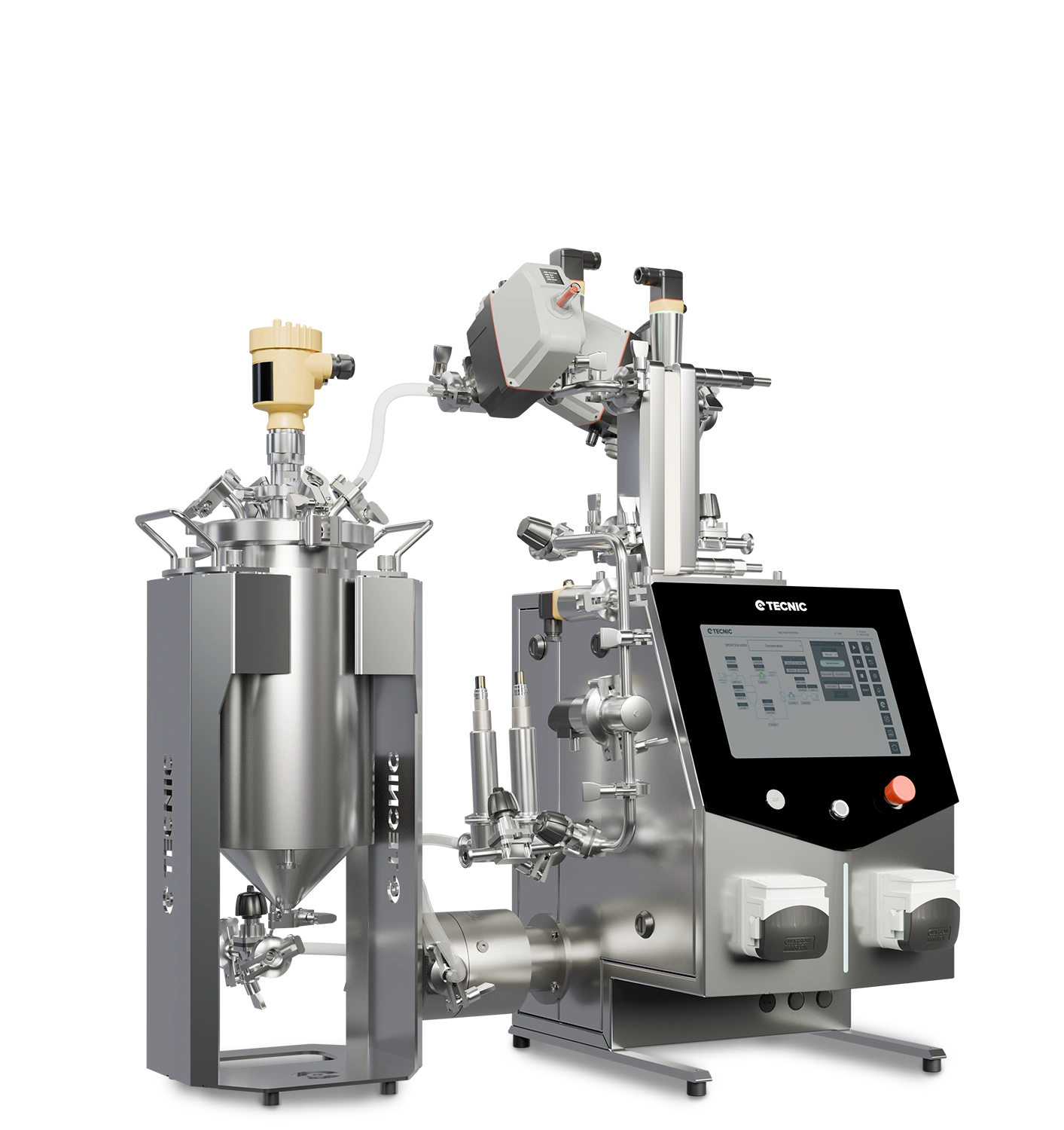
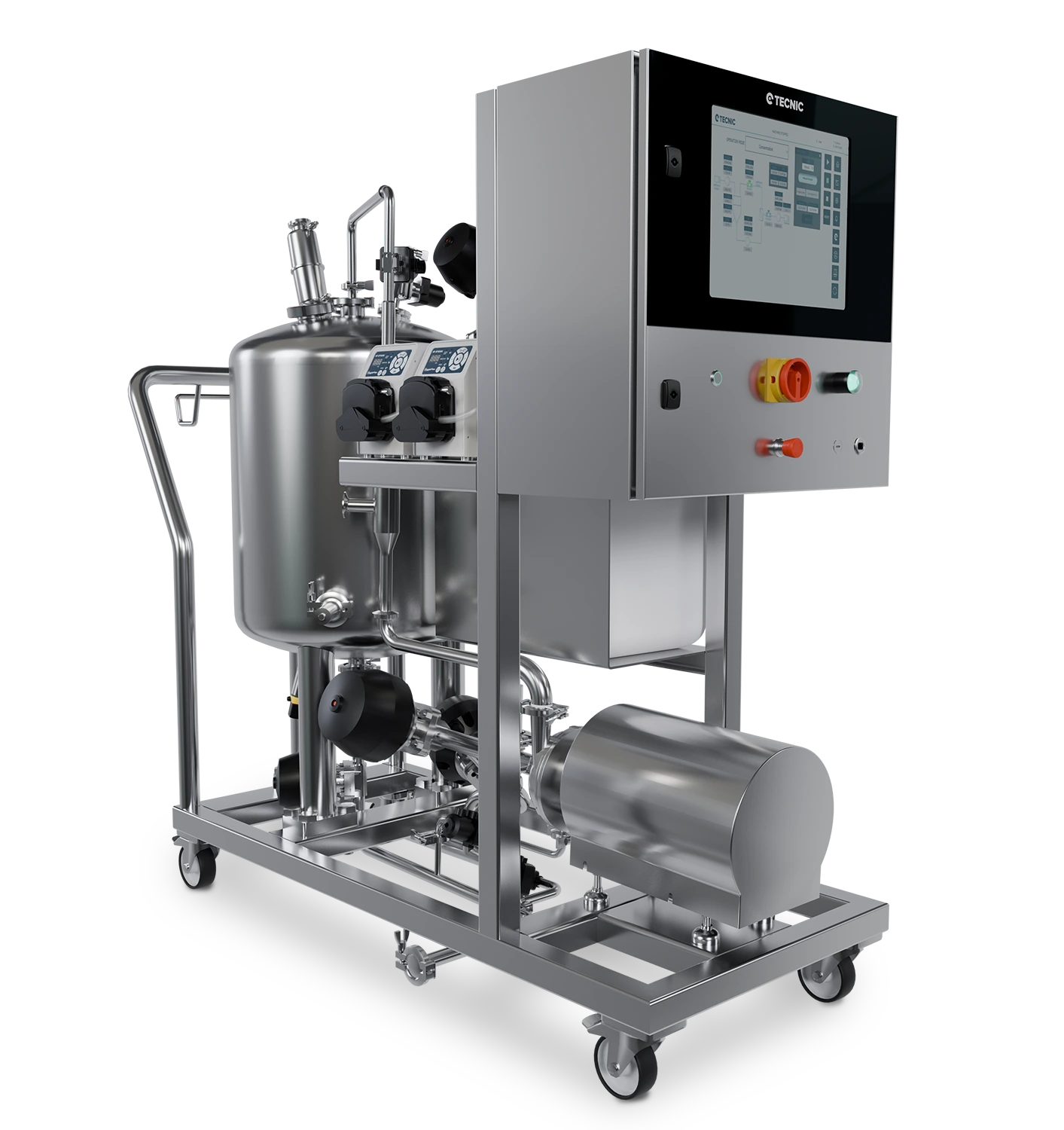
Since downstream purification and concentration are also part of mRNA manufacturing logic, TFF is a natural second bridge from the topic.
Scale-up and industrial transfer
The relevance of mRNA grows when it can be manufactured safely, quickly and at useful scale, which makes scale-up support part of the value chain.
Contact TECNIC
For teams assessing vaccine or RNA-related production needs, a direct technical discussion is a practical next step.
This section keeps the bridge practical. The topic is educational, but the connection to TECNIC appears when the biology becomes a real production challenge.
Frequently asked questions
What is an mRNA vaccine?
It is a vaccine that uses messenger RNA to instruct cells to produce a selected pathogen protein so the immune system can learn to recognize it.
Does mRNA change human DNA?
No. Vaccine mRNA does not enter the cell nucleus and does not alter DNA.
How long does mRNA stay in the body?
Only for a short time. It is naturally degraded after the instructed protein is produced.
Are mRNA vaccines only used for COVID-19?
COVID-19 vaccines were the first major approved use, but mRNA technology is being studied for many other diseases as well.
Why is mRNA technology so important in biotech?
Because it combines rapid design, flexible updating and strong potential across infectious disease, cancer and future therapeutic applications.
Exploring scalable biotechnology platforms for advanced vaccine production?
Explore TECNIC’s bioreactors and TFF systems or speak with our team to review the right production path from research to industrial scale.